On 12 June 2026, the International Labour Conference adopted ILO Convention No. 193, the first global treaty establishing binding labour standards for platform work. This is a historic victory for platform workers worldwide and for the many organisations that have long challenged the false narrative that digital innovation must come at the expense of labour rights.

Convention 193 confirms a fundamental principle: workers managed through apps, ratings systems and opaque algorithms are workers — entitled to rights, protections and dignity. It establishes an essential floor of rights within a platform economy still dominated by extractive business models.

Share

Every year, CCEDNet members are invited to submit nominations for CCEDNet’s Board of Directors. This year, there were four vacancies to be filled.

Four eligible nominations were received by the deadline, leading our Elections Officer to declare the following candidates elected by acclamation:

  • Michelle Colussi
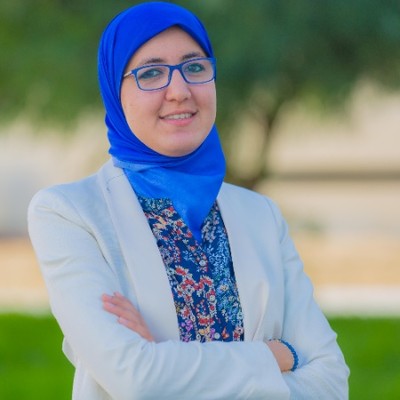
  • Meryem Kabbaj
  • Fahima Karim
  • Ryan Watmough

The results will be ratified at CCEDNet’s Annual General Meeting of the members on June 25, 2026.

Congratulations to these amazing CED leaders from across Canada, who will be part of CCEDNet’s dedicated Board of Directors.

Michelle Colussi

Michelle Colussi

Michelle has over 30 years of experience working with local and First Nation governments and NGO’s in Canada to strengthen their strategic impact and capacity, working for many years with the Canadian Centre for Community Renewal.

Her experience across all roles in community work givers her a solid understanding of the diversity of perspectives and resources communities need to get stuff done. Michelle was the community research lead in the design of the Community Resilience Manual and worked with the Government of Botswana to train facilitators there.  She facilitated a diverse multi-sector Advisory group for Western Forest Products resulting in successful forest certification, was Canada’s first Transition Town Trainer and is co-founder of Building Resilient Neighbourhoods.

Currently Michelle works with SHIFT Collaborative to strengthen systems change practice and adaptive learning in action with a focus on multi-stakeholder initiatives and regional food systems. Her current work includes coaching three Collective Impact initiatives, supporting deepening inclusive practices within IPCC Working Group I, coaching NGOs to strengthen financial acumen through Thriving Non-Profits and delivery of CMHC Housing Solutions Labs.


Meryem Kabbaj

Meryem Kabbaj holds a Ph.D. in Economics and Management, a master’s degree in auditing and management control from ENCG Casablanca, and a master’s degree in financial management from the University of Lorraine. After a brief stint in finance, Meryem chose to focus on the collective and social entrepreneurship ecosystem. She has worked as the national coordinator for the German program enpact e.V. and as an entrepreneurship consultant for several international organizations, including the British Council, the World Bank, and UNICEF.

Meryem is originally from Morocco. In recent years, she has been a postdoctoral researcher at the SME Research Institute at the University of Quebec at Trois-Rivières (UQTR), where she taught strategic management. Now serving as Executive Director of the Regroupement québécois de développement économique communautaire (RQDEC)—a network that brings together CDECs in Quebec—Meryem has overseen the network’s strategic development, governance, and coordination since its inception. Her dual role as a researcher-practitioner allows her to combine academic rigor with organizational leadership grounded in real-world realities. Passionate about creating impact and entrepreneurship, Meryem finds in the social economy and community economic development the ideal arena to pursue her life’s mission.


Fahima Karim

Fahima Karim

Fahima Karim has built her career within the co-operative banking sector, guided by a strong commitment to financial inclusion and community-driven finance. She began her journey at Alterna Savings in 2017, where her early work included leading financial literacy seminars through Enactus and supporting initiatives focused on reducing barriers to banking access.

In her role as Account Manager, Nonprofit & Affordable Housing, Fahima supports a large and diverse portfolio of community-based organizations including nonprofit, charitable, and affordable housing providers across Ontario. Her work focuses on building trusted relationships, supporting operational banking needs, and helping organizations align their banking with their governance structures, cash flow realities, and long-term goals.

Fahima works closely with sector partners and community leaders to advocate for inclusive financial solutions that strengthen the co-operative housing and nonprofit ecosystem. Her approach is rooted in collaboration and the belief that financial services should empower organizations to better serve their communities.


Ryan Watmough

Ryan Watmough

Born and raised in rural Ontario and now living and working in rural British Columbia, Ryan has spent more than 20 years working in community economic development (CED) as a consultant, Economic Development Officer, educator, and Director of CED. While leading the Community Economic Development Certificate Program at Simon Fraser University, he expanded professional development opportunities through accreditation partnerships with Economic Developers Association of Canada, Canadian Credit Union Association, and Council for the Advancement of Native Development Officers.

Recognized by the British Columbia Economic Development Association, Ryan has supported projects ranging from farmers’ markets and grant programs to workforce development and economic reconciliation initiatives. He currently serves in leadership roles with a post-secondary institution, an Indigenous development corporation, and an environmental stewardship organization, with a strong commitment to collaborative and sustainable community development.

Share

For over two decades, the International Centre for Co-operative Management (Sobey School of Business, Saint Mary’s University) has been at the forefront of offering online, part-time advanced professional business programs that meet the needs of co-operative and credit union professionals. The Centre offers innovative, globally renowned study options such as:

  • Master of Management, Co-operatives and Credit Unions (3 years)
  • Graduate Diploma in Co-operative Management (16 months)
  • Certificate in Co-operative Management (10 months)

Successful applicants can look forward to personal growth in the following areas:

  • Experience education steeped in co-op identity
  • Learn strategies to deepen your organization’s impact
  • Elevate your co-op leadership and career
  • Join a global peer network of innovators

Registration will remain open until May 31 or until full. Apply now! Some bursaries available.

Virtual information sessions available on May 12th and May 25th.

Go to smu.ca/coopdegrees or email Program Manager Erin Hancock at  to get connected.

Share

We are deeply saddened by the ongoing loss of life and human suffering unfolding across the world.

From the genocide of Palestinians, to acts of war in Iran, to the ongoing violence against Black women in the United States, and the national tragedy of Missing and Murdered Indigenous Women, Girls, and Two-Spirit people here in Canada, among so many others, these local and global acts of violence are not isolated events. They are part of broader systems of colonialism, white supremacy, and capitalism that undermine human dignity, safety, and collective well-being.

As an organization committed to strengthening communities, we recognize that violence, war, and violations of international humanitarian law weaken the very foundations of community, trust, and shared prosperity.

We stand in solidarity with all communities experiencing harm.

We call for the protection of civilians, the upholding of international conventions, and the unimpeded delivery of humanitarian aid in all contexts.

We urge Canada to continue to speak out and act in defense of human rights and humanitarian principles at every opportunity.

We add our voice to those around the world working toward justice, peace, and the conditions necessary for communities to not only survive—but to thrive.

Share

All members are invited to take part in CCEDNet’s Annual General Meeting (AGM!) Please register below.

June 25, 2026
10am Pacific, 11am Mountain, 12pm Central, 1pm Eastern, 2pm Atlantic, 2:30pm Newfoundland

CCEDNet’s AGMs are held via Zoom and are bilingual, with the assistance of simultaneous interpretation. Members are able to make motions, vote and comment in English or French from the comfort of their personal or work computers.

Members will have the opportunity to hear from the Board of Directors and staff and get directly involved as we share important updates. Join us as we introduce Board Directors starting new terms, present CCEDNet’s annual report, celebrate our successes, and share the strategies to come.

For additional background information, you can consult CCEDNet’s by-laws.

AGM Documents

Meeting documents will be posted here as they become available.

Board Elections

In response to the call for Board of Directors nominations, we received four eligible nominations. This led to our Elections Officer, Zaskya Moncayo, acclaiming all nominees elected!

Congratulations to: Michelle Colussi, Meryem Kabbaj, Fahima Karim, and Ryan Watmough!

Click on the link below to learn more.

AGM Resolutions              

You can read the call for resolutions and submit resolutions online.

Resolutions are now closed

Board Nominations

This year, there were four (4) vacancies to be filled. 

Nominations are now closed

Share

Our communities need a little extra love these days. If you resonate with this, you’re not alone. Across Canada, people are grappling with an economy that seems increasingly stacked against them. Precarious gig work has replaced stable employment. Rent and groceries devour entire paycheques. Inflation keeps climbing while wages stagnate. The gap between those thriving and those barely surviving grows wider each day.

Meanwhile, global trade tensions and geopolitical uncertainty add layers of instability we can’t control. It’s exhausting. It’s frustrating. And it’s understandable if you feel disconnected from an economic system that doesn’t seem designed with you in mind.

But here’s what we know: strong, people-centred economies are built through collaboration, trust, and shared purpose.

Community economic development (CED) offers a different path forward—one rooted right where you live. Instead of waiting for top-down solutions, CED puts economic power back into local hands. It’s about creating worker co-operatives where employees own their livelihoods. It’s creating pathways to equitable finance that build community wealth. It’s supporting social enterprises that prioritize people and planet alongside profit.

CED recognizes that real economic resilience comes from within our communities. When we invest locally, buy from neighbourhood businesses, and build networks of mutual support, we strengthen the fabric that holds us together during uncertain times. We create jobs that offer dignity and stability. We keep wealth circulating where it matters most.

This year, CCEDNet is doubling down on convening and connecting people like you—people who believe another economy is possible. Through our pillars of Networking & Collaboration, Policy & Advocacy and Learning & Capacity Building, we’re co-creating solutions that identify on-the-ground needs, uplift place-based strengths and advance member-driven priorities.

We’d like to hear about what you love about your community. Send us an email to share your thoughts and/or share through your social networks (don’t forget to tag us!).

Share

Christine Clarke

For the first time in a decade, Canada is taking stock of its social enterprise sector

Buy Social Canada has launched the Canadian Social Enterprise Sector Survey: a national effort to better understand the scale, impact, challenges, and opportunities facing social enterprises across the country.

Social enterprises are businesses that sell goods or services, embed a social, cultural or environmental purpose into the business, and reinvest the majority of profits or surplus into their purpose. They operate in every region and across industries, from construction and catering to healthcare, arts, employment services, and more. Every day, they create jobs, strengthen local economies, and advance solutions to complex challenges.

Yet despite their growing presence and impact, there is limited current national data that fully reflects their economic contribution and community impact.

Why This Survey Matters

The Canadian Social Enterprise Sector Survey is led by CCEDNet member Buy Social Canada, in collaboration with sector partners, as part of its national mandate to support the sustainability and growth of the social enterprise sector across Canada.

The survey will gather insights on:

  • Business models and revenue
  • Social and environmental impact
  • Employment and workforce
  • Procurement and market access
  • Access to finance
  • Capacity building needs

The data collected will support evidence-based advocacy, policy guidance, and sector development across Canada. It will also establish an updated national baseline for future benchmarking and research.

Who Should Participate

Regardless of incorporation, size, or location, if you operate a social enterprise in Canada your voice belongs here.

The survey takes approximately 20 minutes to complete and is available in English and French. All respondents will be entered into a draw to win $500.

Timeline

  • Survey open: February 13 – March 13, 2026
  • Results shared: April 2026

By participating, you are contributing to a shared national effort to strengthen the visibility, sustainability, and long-term growth of social enterprise in Canada.

Participants and partners will be invited to review key findings once available. To stay informed, sign up for the Buy Social Canada newsletter for updates, insights, and future opportunities to engage.

Take the survey before March 13.

Together, we can build a clearer picture of the sector and a stronger foundation for what comes next.

More details can be found at socialenterprisesurvey.ca. Have questions or want to get involved? Please contact  for all general and media inquiries.

Share

Check out the Manitoba region newsletter for Januay 2026 here.

Get the newsletter in your inbox! Subscribe and click Manitoba CED Bulletins

Share

As we step into 2026, I want to begin by welcoming you back and thanking you for the energy, commitment, and care you continue to bring to CCEDNet. Our network exists because of people like you! People who believe that strong, people-centred economies are built through collaboration, trust, and shared purpose.

This year, CCEDNet is focused on deepening what we do best: convening and connecting. We will continue to be a central actor in bringing people together, our members and partners alike, to spark ideas, surface gaps, and co-create solutions that strengthen community economies across Canada. Listening will be a critical part of this work. Through continued needs assessments and the evolution of our membership strategy, we are actively engaging with you to better understand the learning, capacity-building, and connection opportunities that will have the greatest impact. Stay tuned for upcoming engagement opportunities!

Partnerships remain central to our vision. In 2026, we will continue to work closely with allies across the people-centred economy, particularly on policy initiatives that reflect lived experience, local realities, and community-driven solutions. This is about building alignment between values and action, and ensuring community voices are present where decisions are made.

I would also like to take a moment to acknowledge several members of our team, including Sarah Leeson-Klym, who have recently moved on to new roles and opportunities. We are deeply grateful for their contributions to CCEDNet over the years and wish them every success as they step into what’s next.

Finally, thank you for making our Season of Giving such a success. Your generosity fuels our ability to convene, connect, and advocate. As we carry this momentum forward, I invite you to continue supporting CCEDNet through a donation. Every contribution helps strengthen the collective work ahead.

Here’s to a year of renewed connection, bold ideas, and shared impact.

Warmly,

Celina Caesar-Chavannes
Executive Director, CCEDNet

Share

Dear CCEDNet friends,

As we close out 2025, I wanted to reach out personally. It’s been a year of change, learning, and quiet rebuilding behind the scenes, and I want to share where we’ve been, and, more importantly, where we’re headed together in 2026.

I know it’s been a while since you’ve heard from us. That silence wasn’t a sign of disengagement. It was purposeful. Over the past months, we’ve been strengthening CCEDNet’s foundation so that we can serve this network with more clarity, consistency, and courage. We’ve been listening deeply, supporting policy conversations across the country, celebrating community leaders, delivering learning programs, and speaking up nationally about community economic development, solidarity economies, and the urgent need for better funding for our sector.

If you’re feeling the financial strain in your own organization, please know this: you are not alone. CCEDNet is feeling it too. The entire community-purpose ecosystem is navigating shrinking funds, rising needs, and more pressure to do everything with less. It’s real, and it’s hard. And it’s exactly why we are doubling down on connection, advocacy, and collective action in 2026.

But here’s the exciting part! Next year, we’ll be reconnecting with you in renewed ways. With early support from the McConnell Foundation we’re launching a field assessment that will help us understand where our sector is thriving, where it’s hurting, and where shared action is needed. We’ll be offering more opportunities to learn from each other, showcase your work, shape policy together, and build the future of community economies in Canada: side by side. You can expect more regular updates, more stories from across the country, and more invitations to join conversations that matter.

As we rebuild for 2026, I’m asking for your support during this Season of Giving. CCEDNet is in a tight financial position right now (there is no sugar-coating it) and your contribution, no matter the size, genuinely makes a difference.

Every dollar invests in policy advocacy, field-building, community learning, and the fight to keep community economies strong across Canada.

Thank you, to our members, partners, funders, and the wider community, for your patience this year and for the work you continue to do every day. You are building possibility in every corner of this country. Please stay connected, share what you’re working on, and join us as we step boldly into 2026.

With deep gratitude,

Celina Caesar-Chavannes
Executive Director, CCEDNet

Share

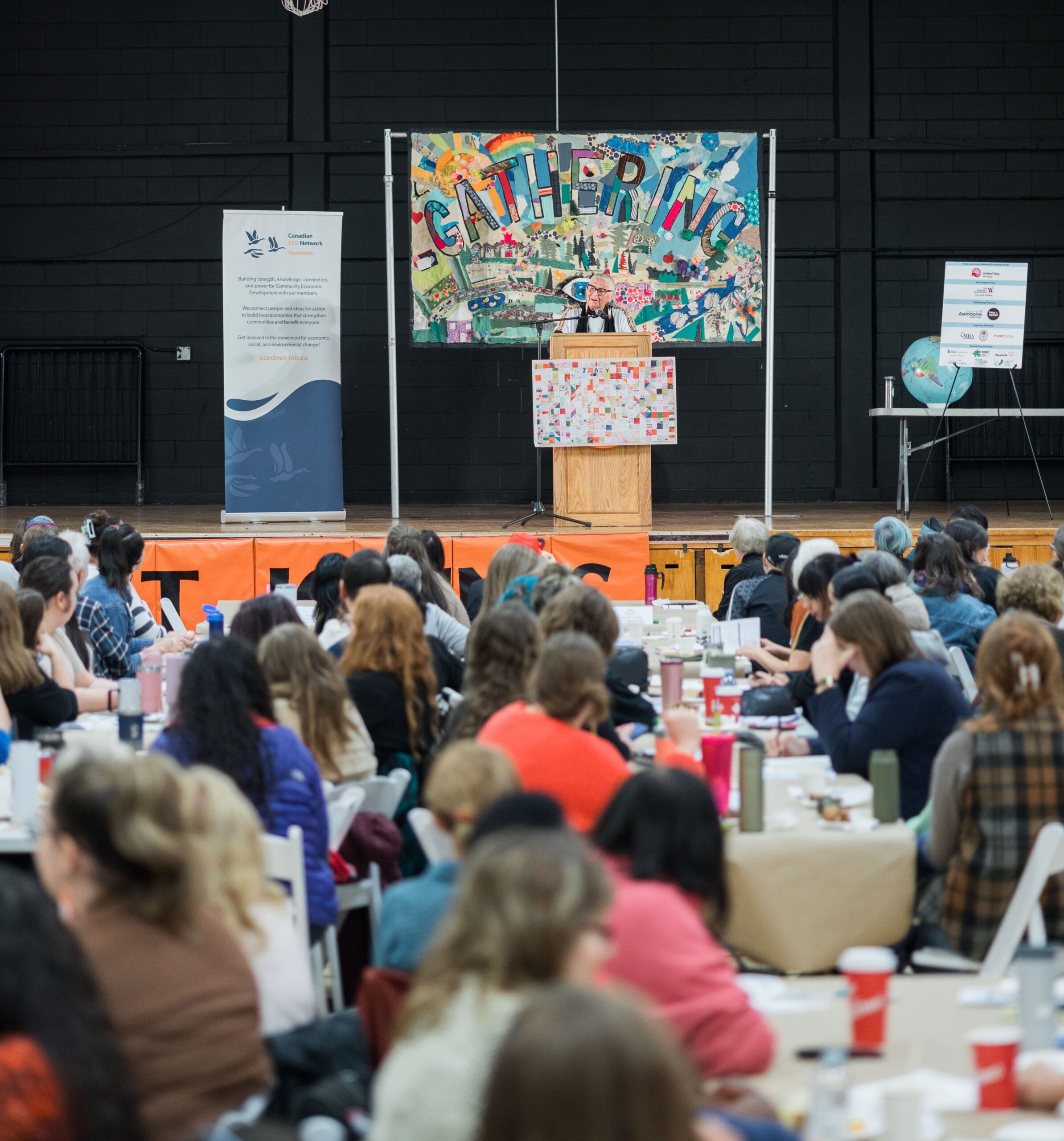
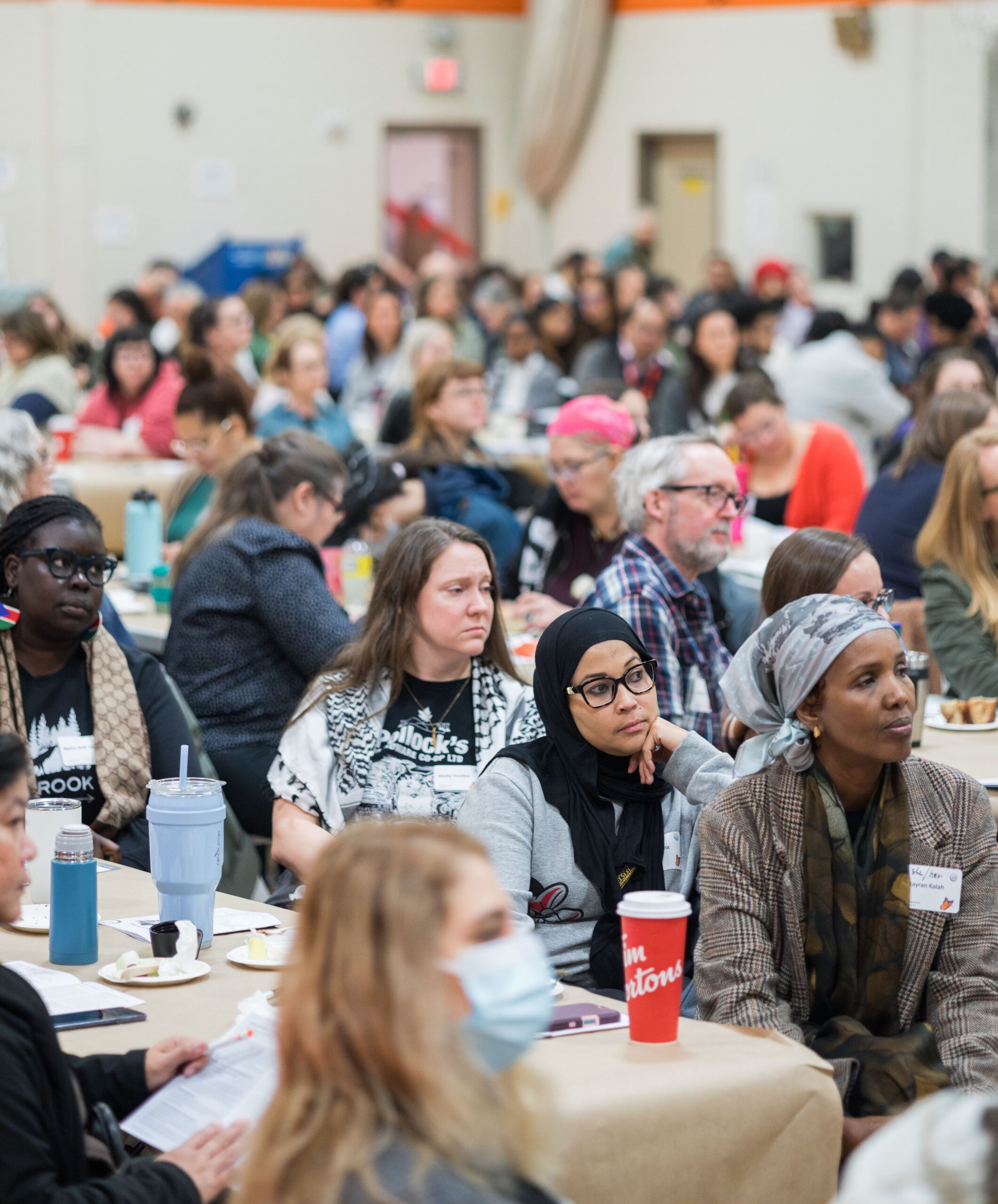
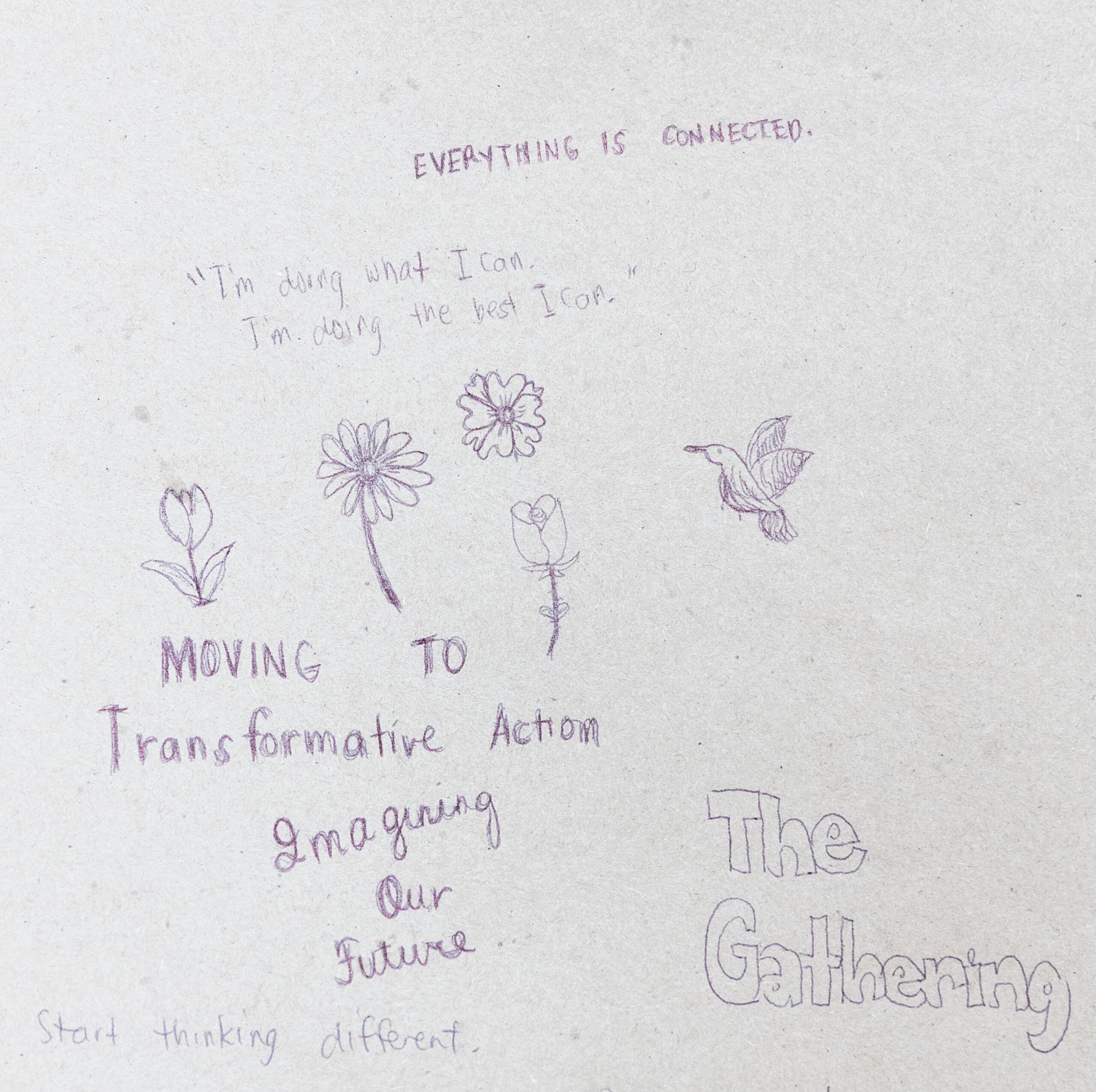
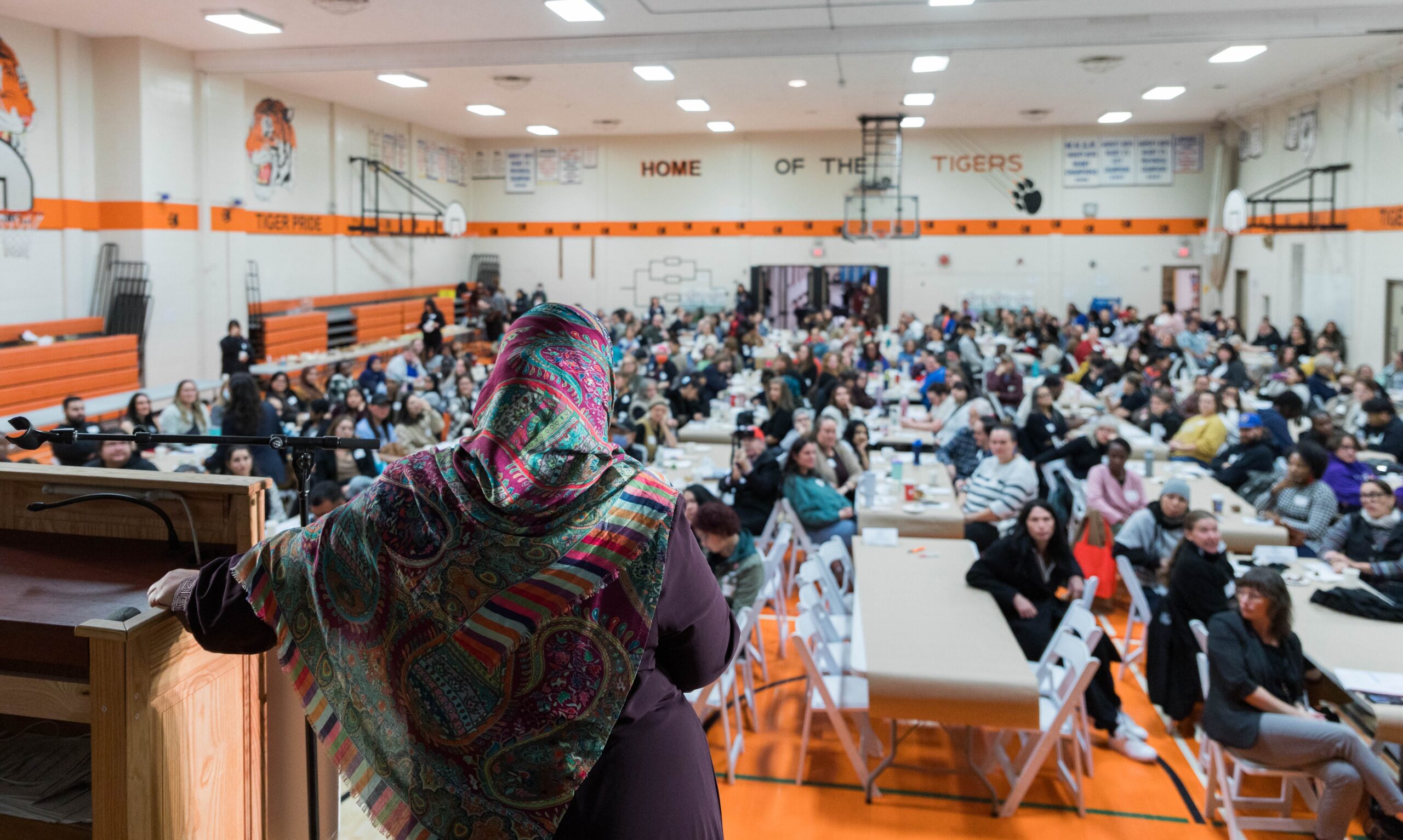
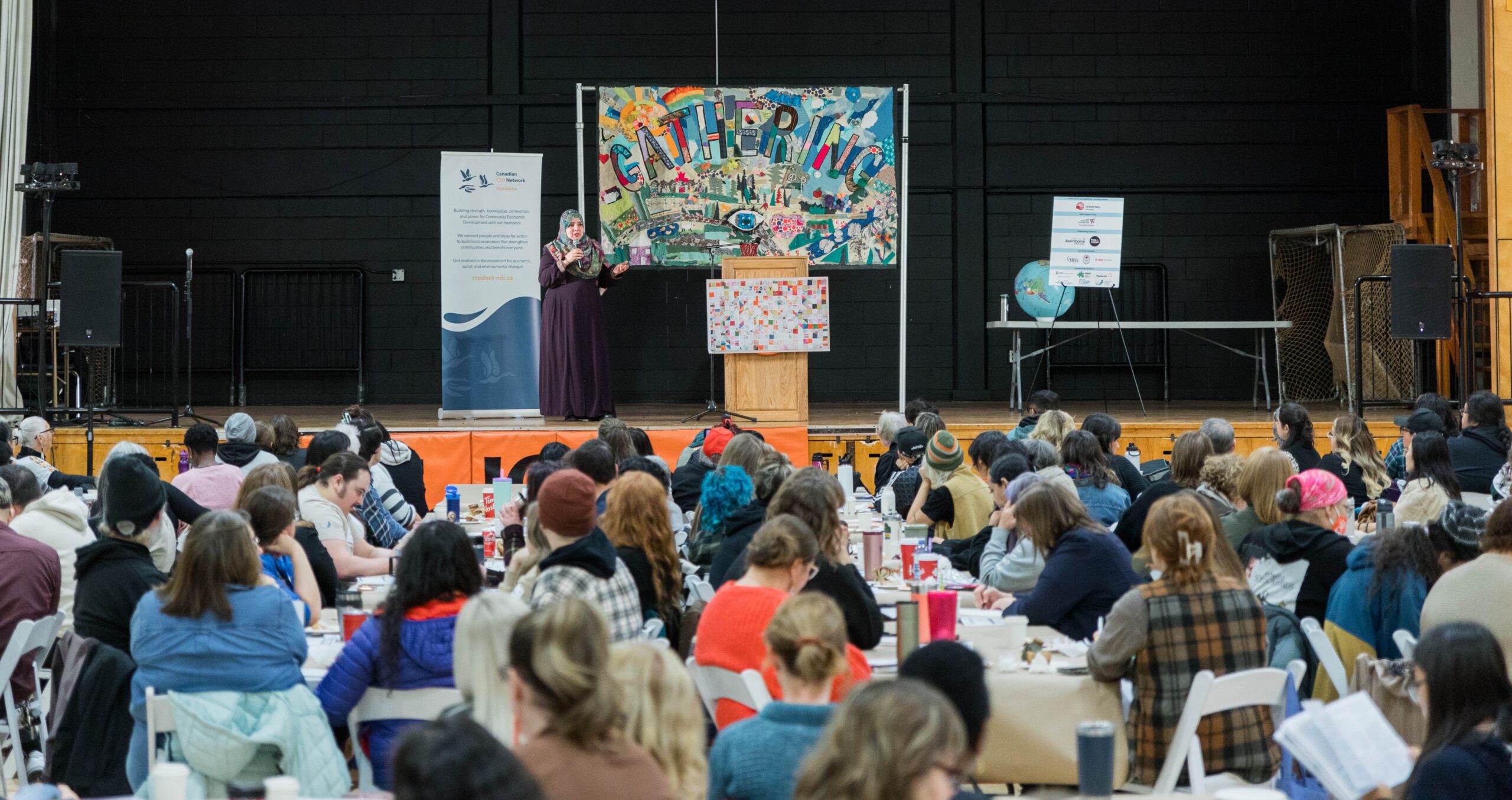
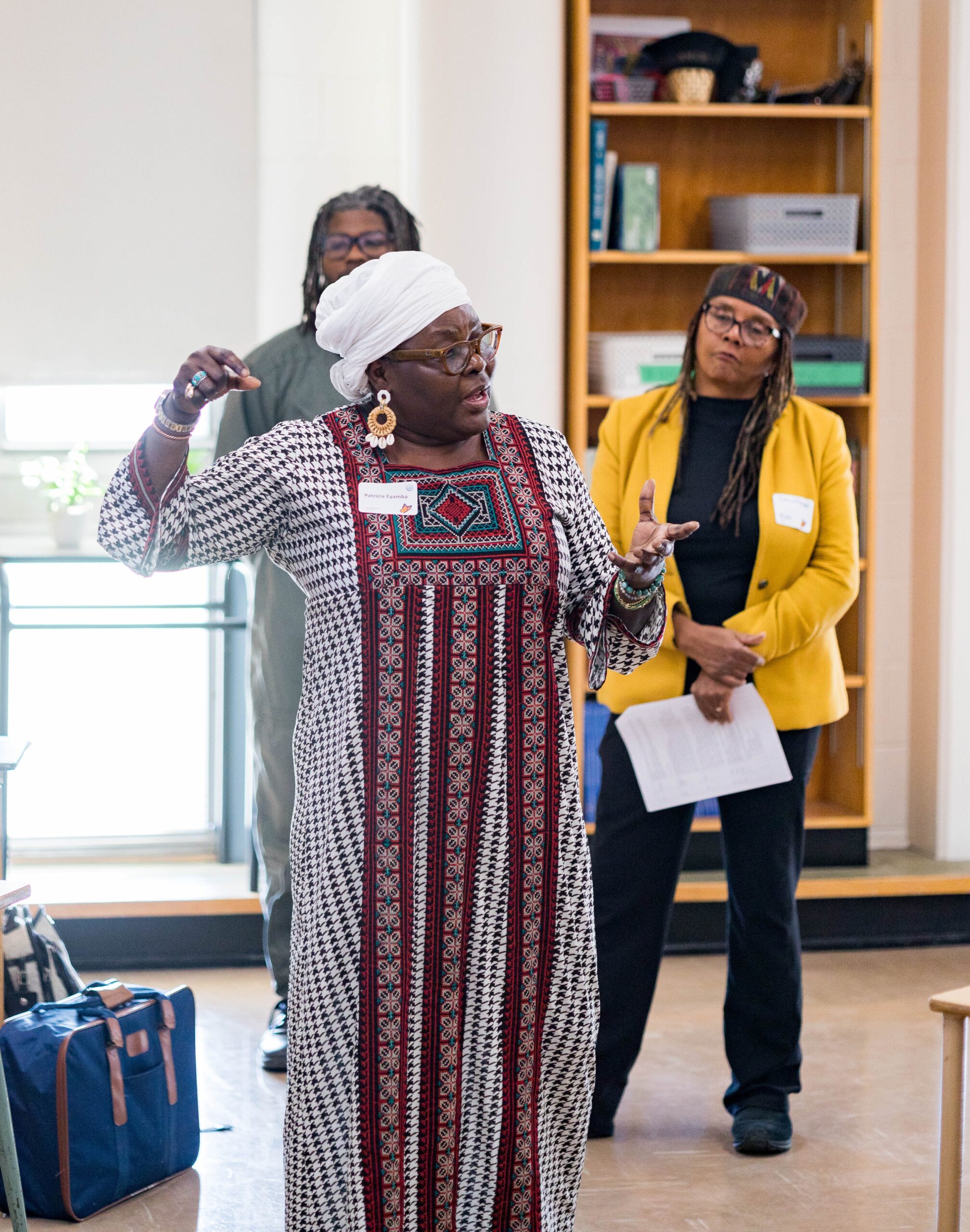
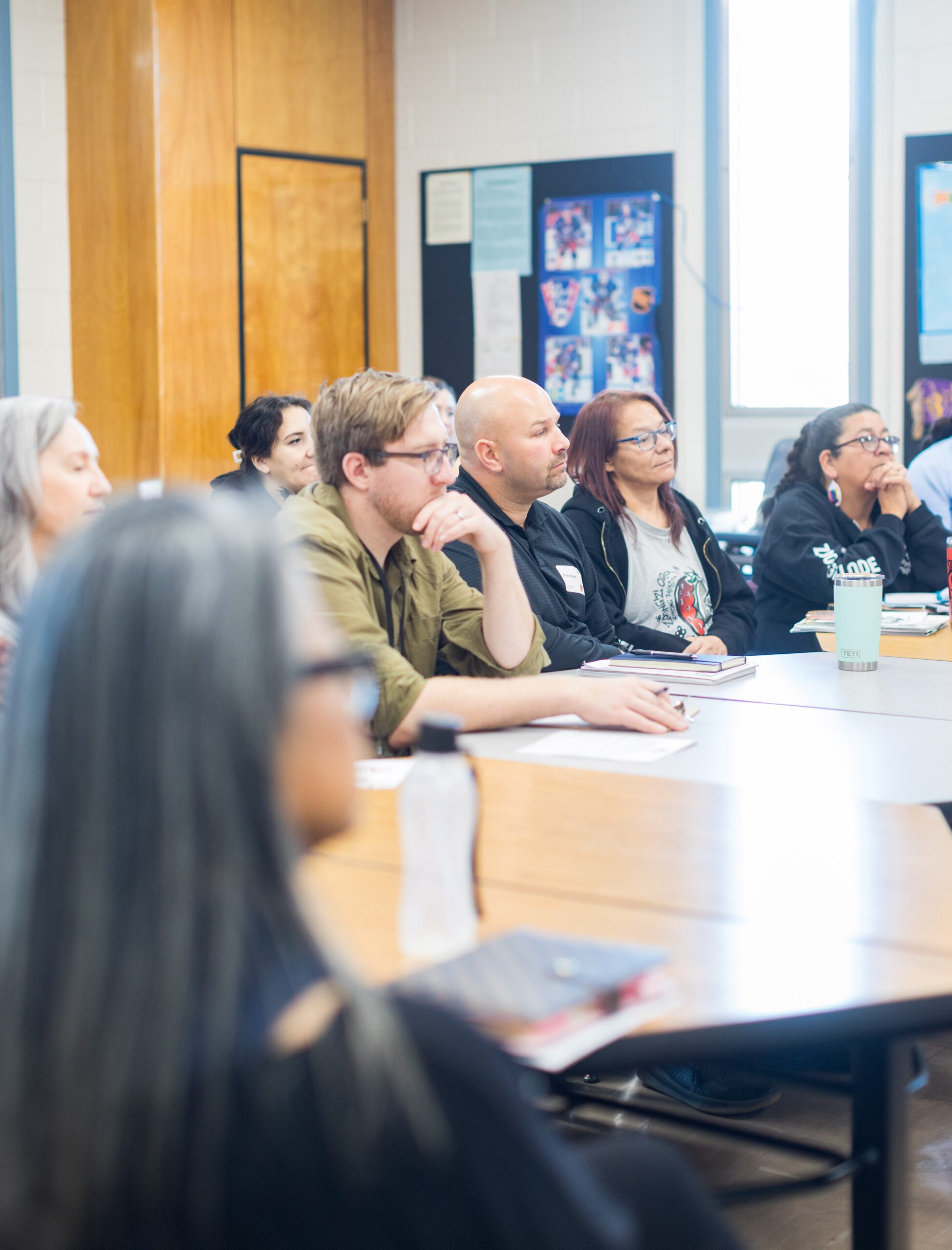
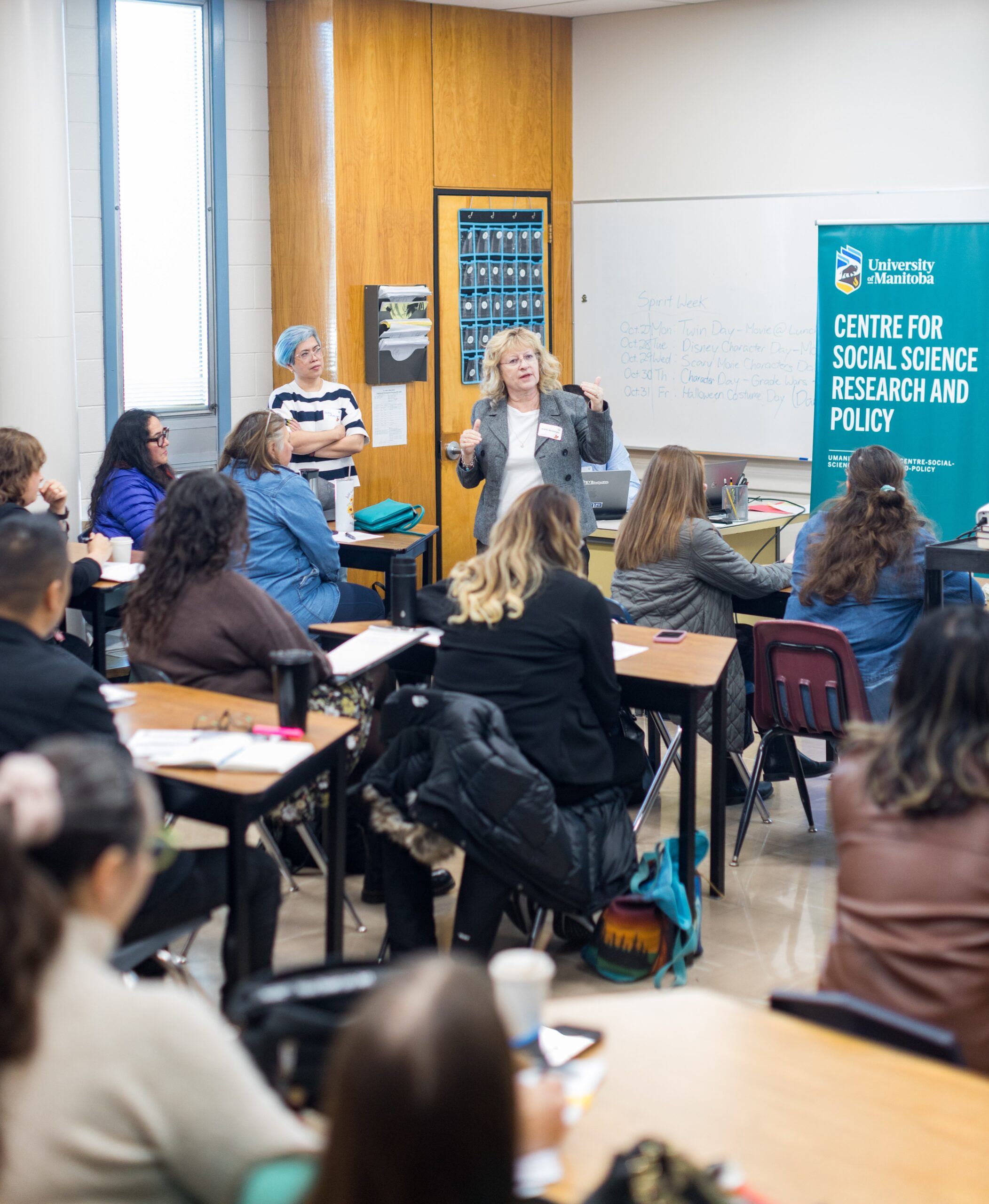
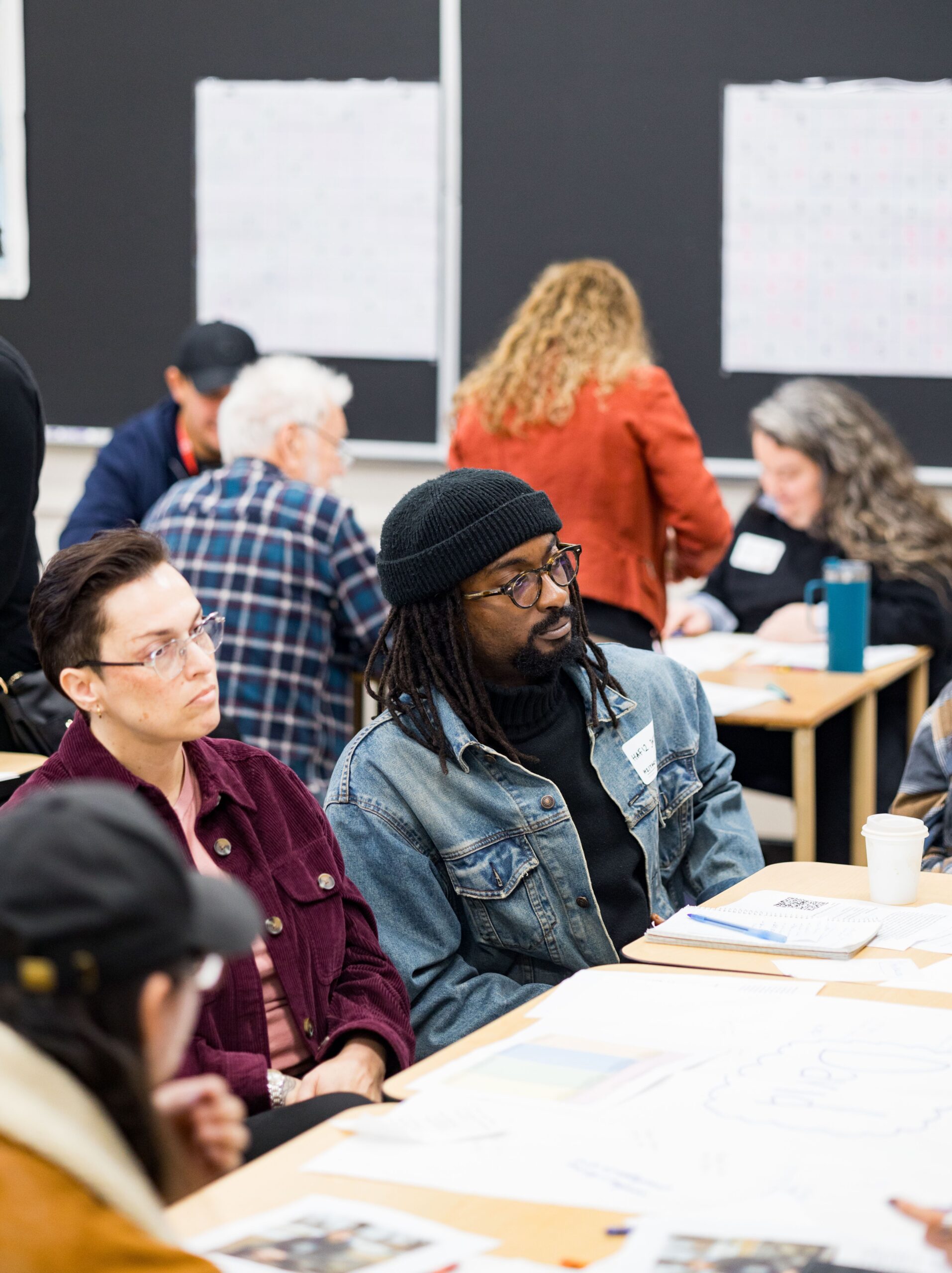
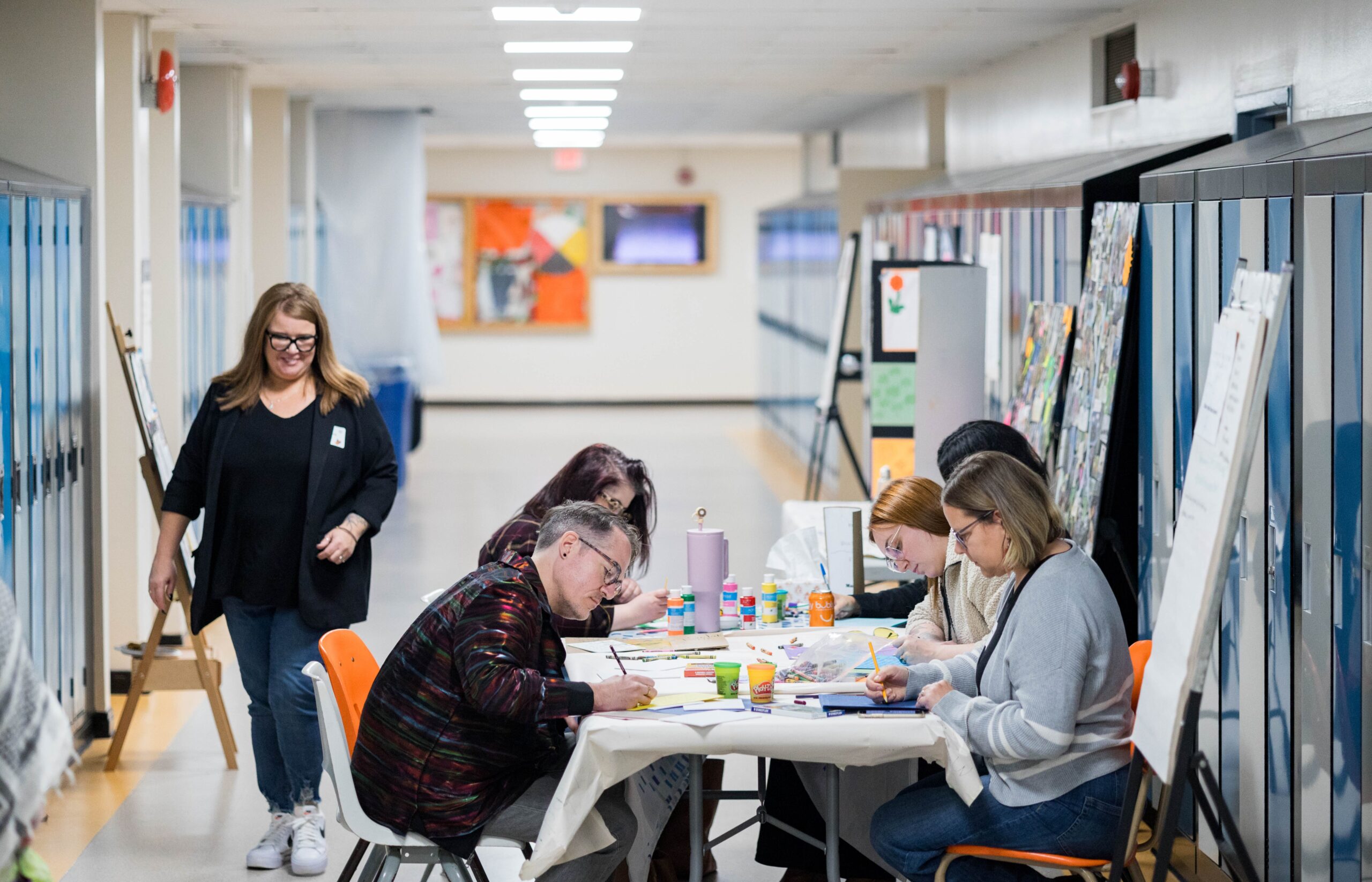
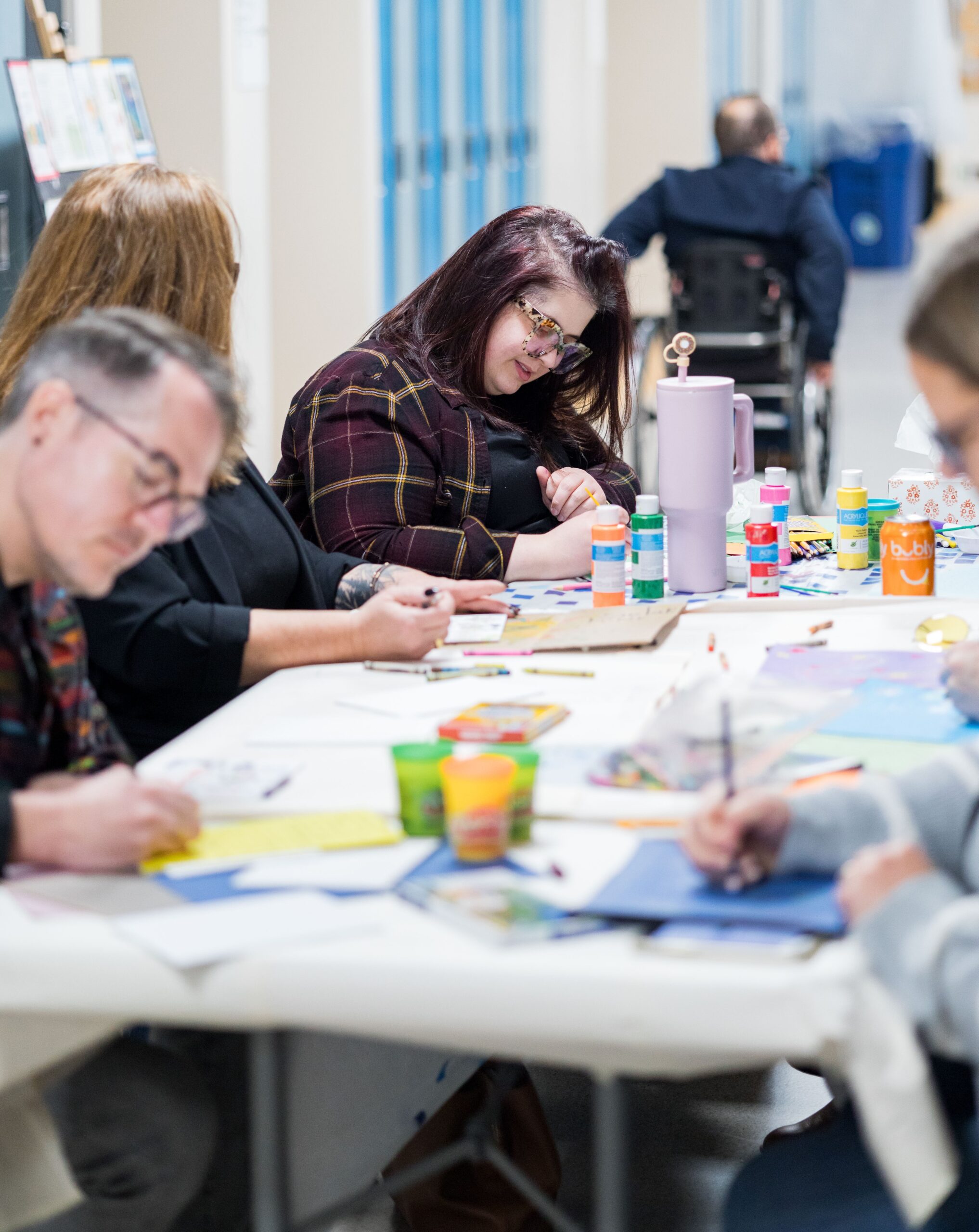
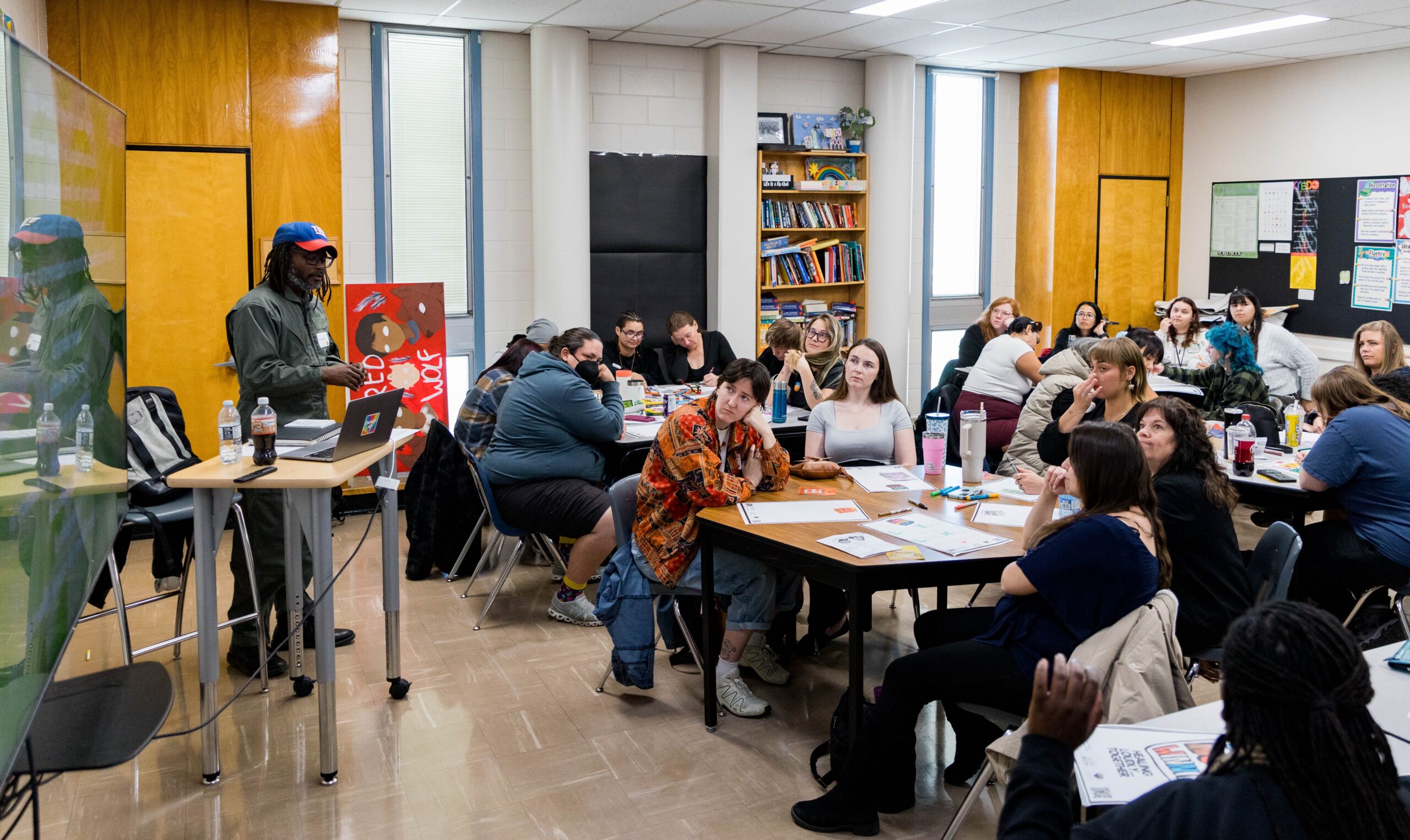
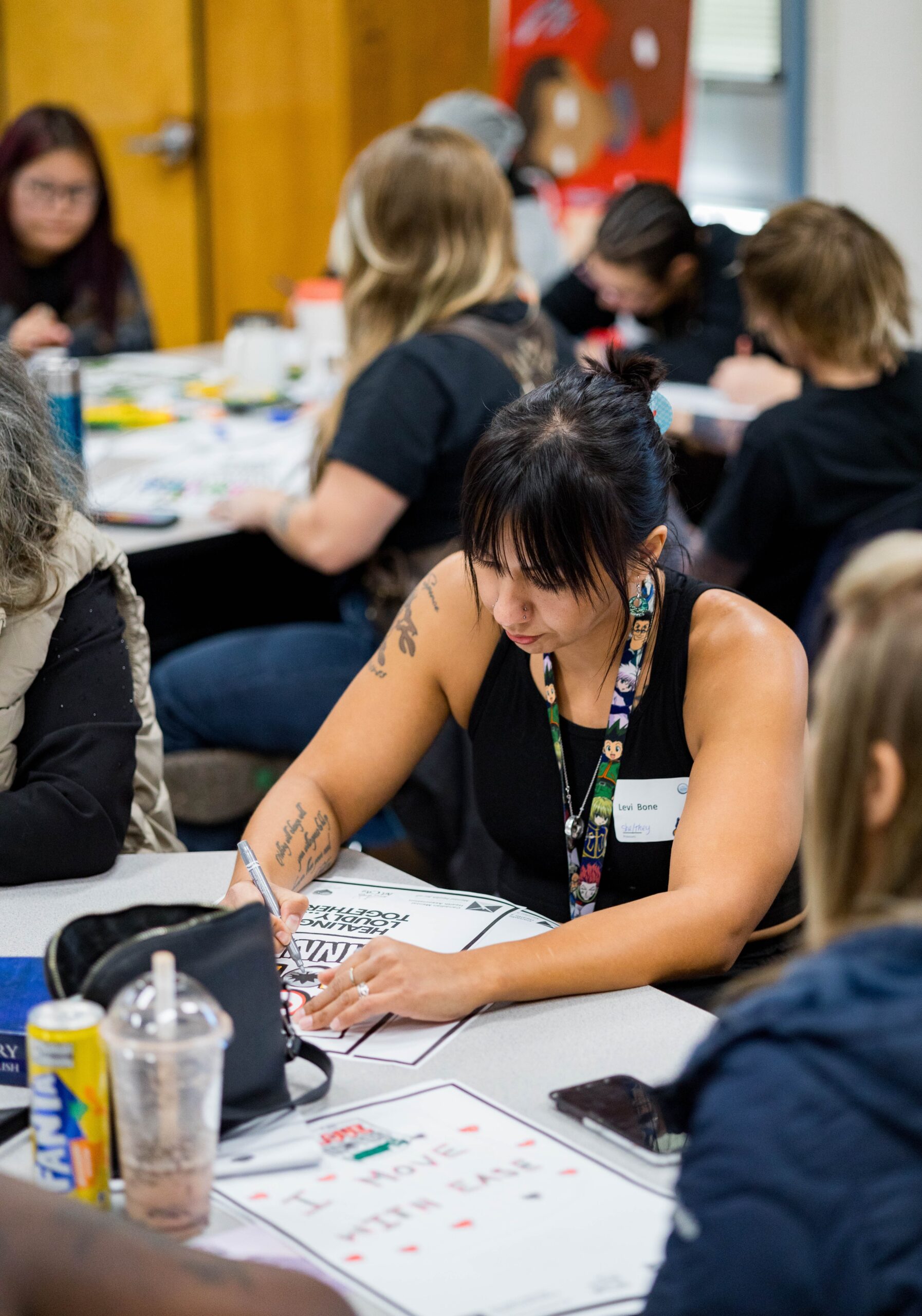
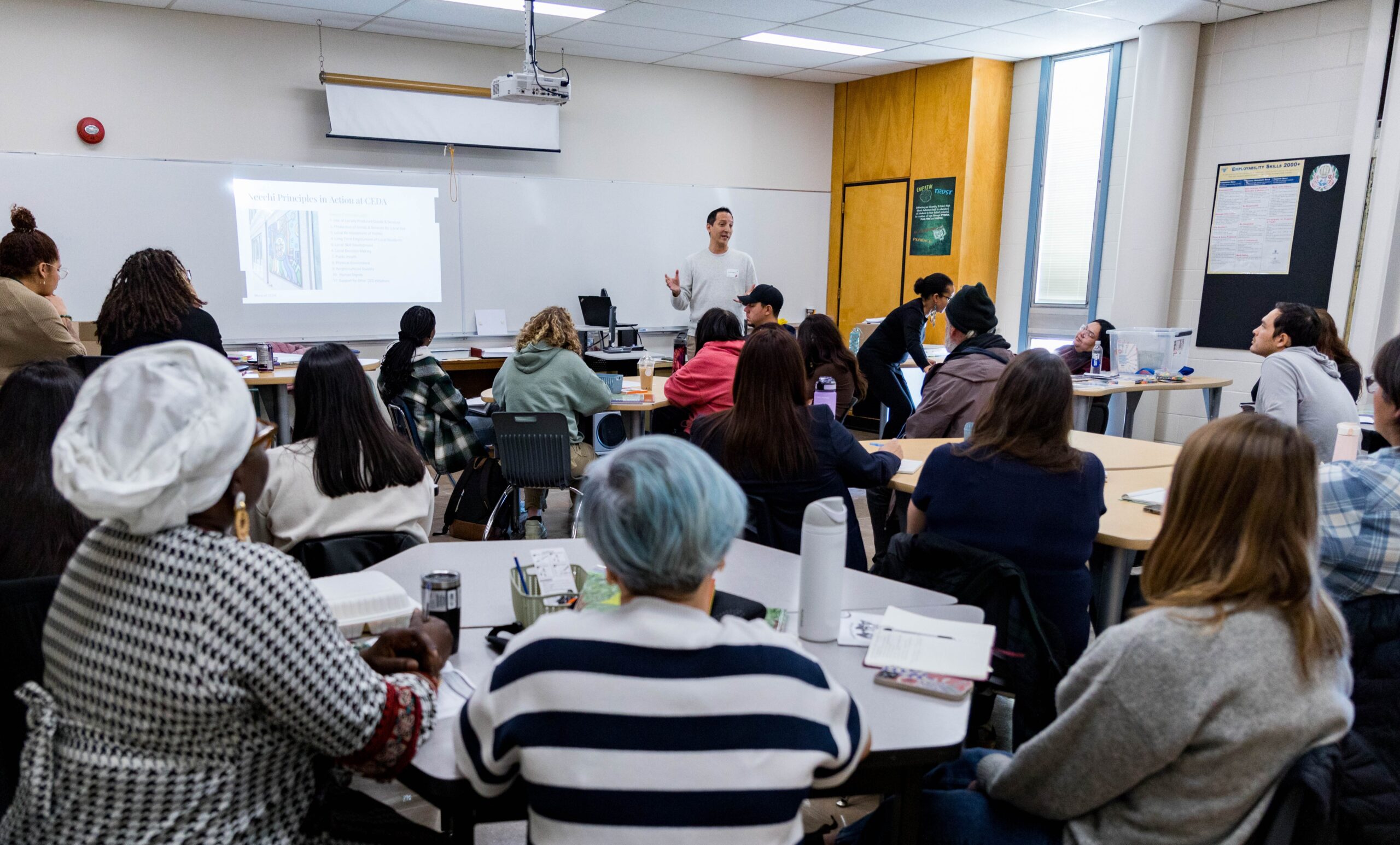
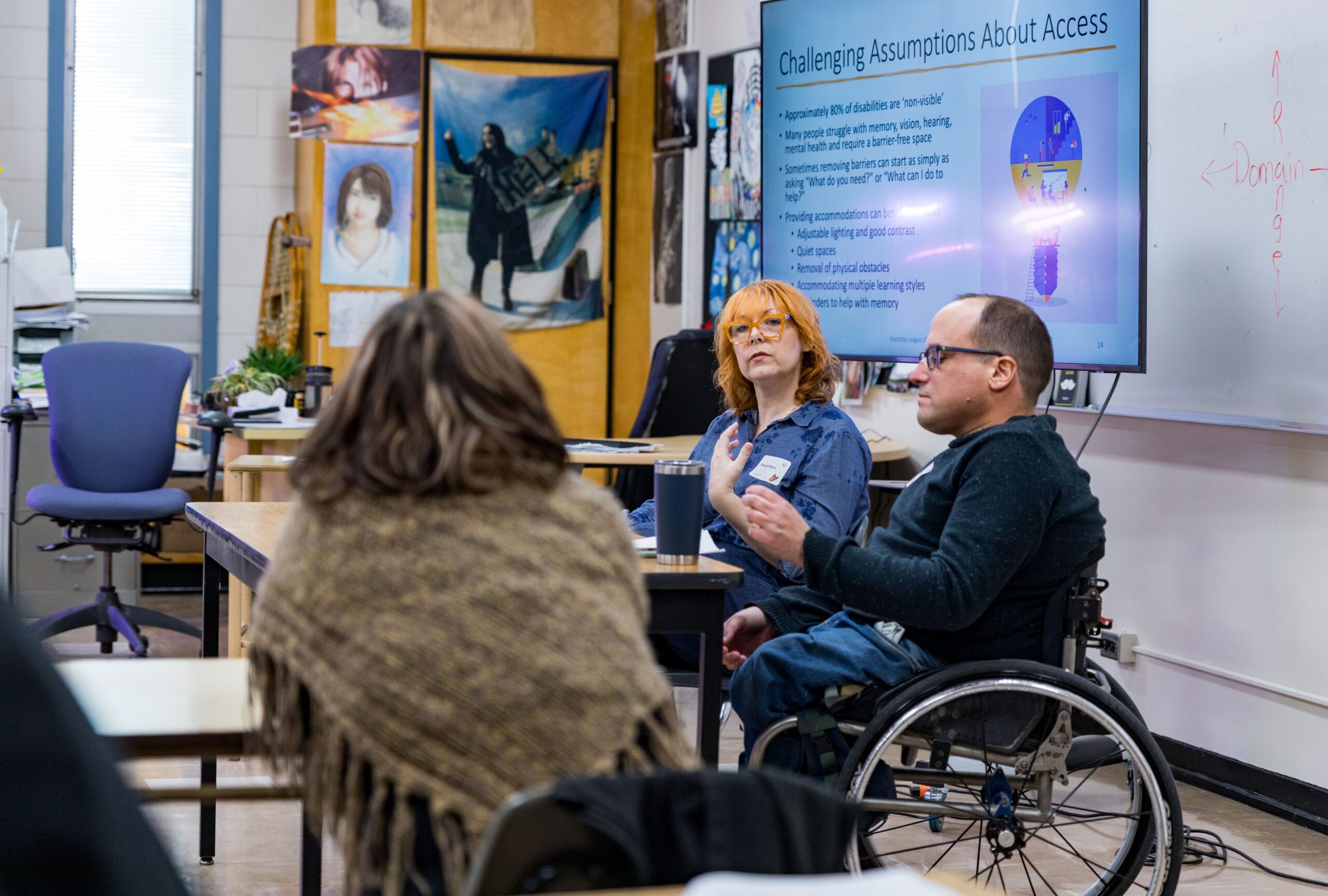
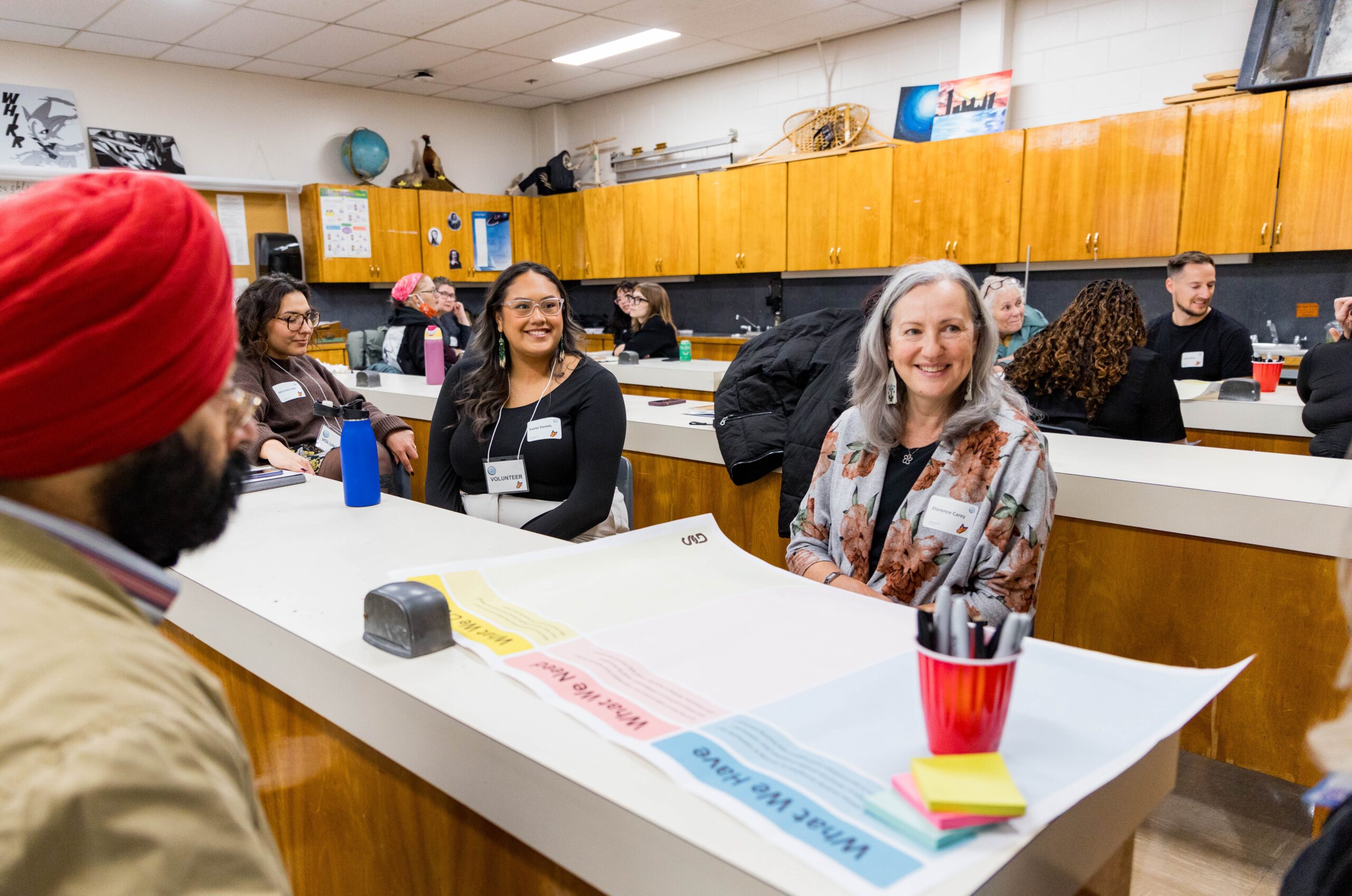
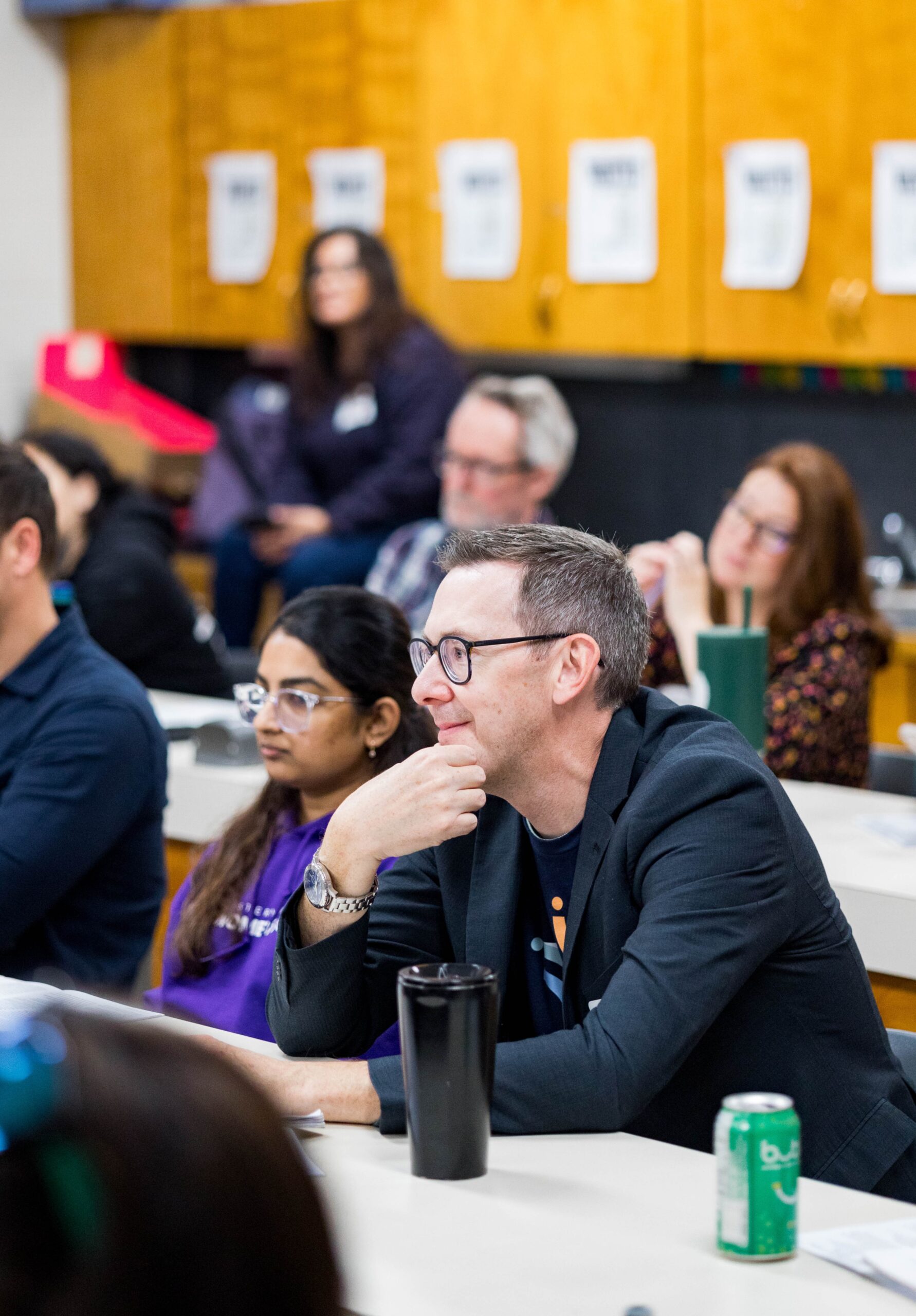
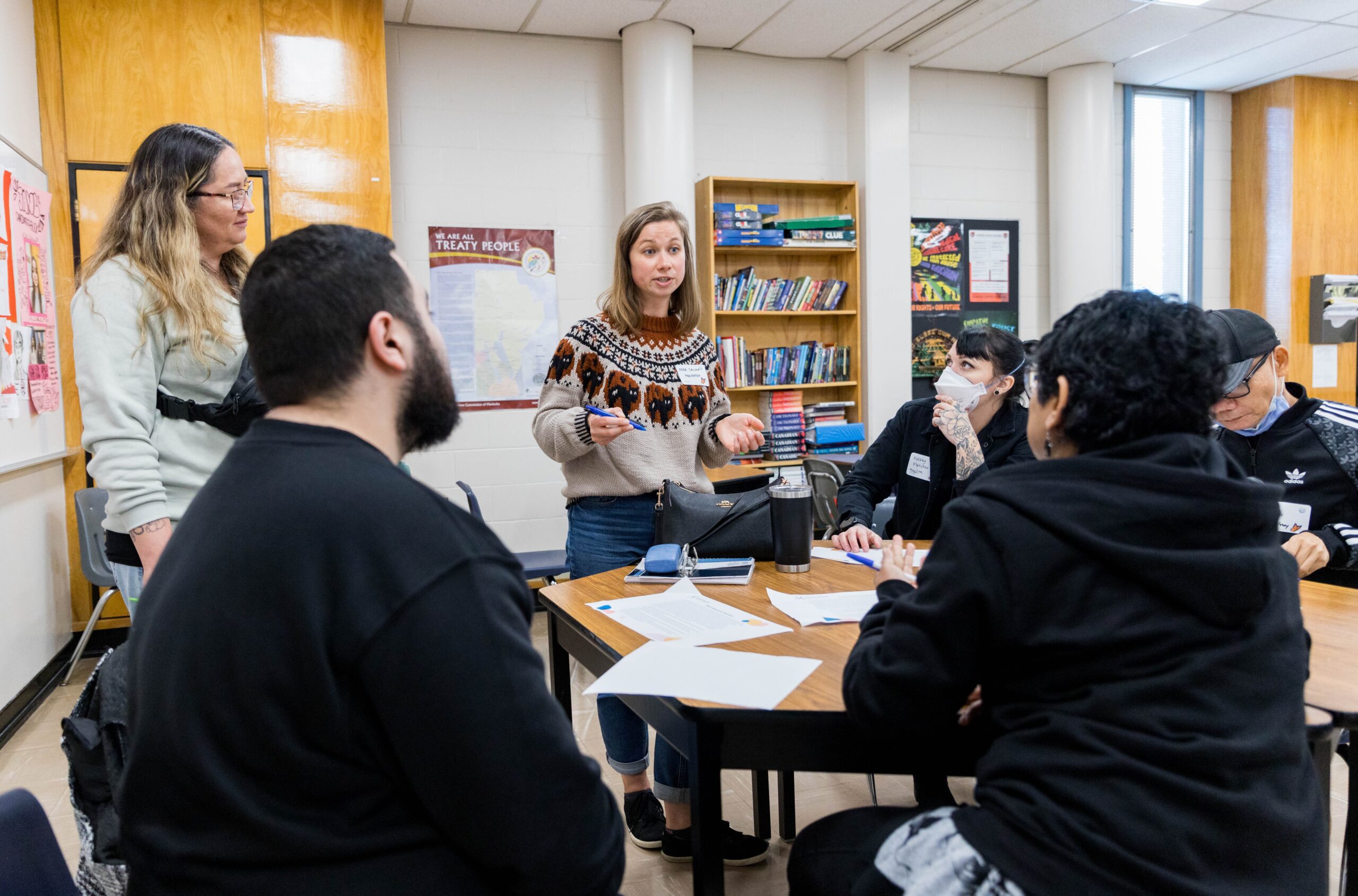
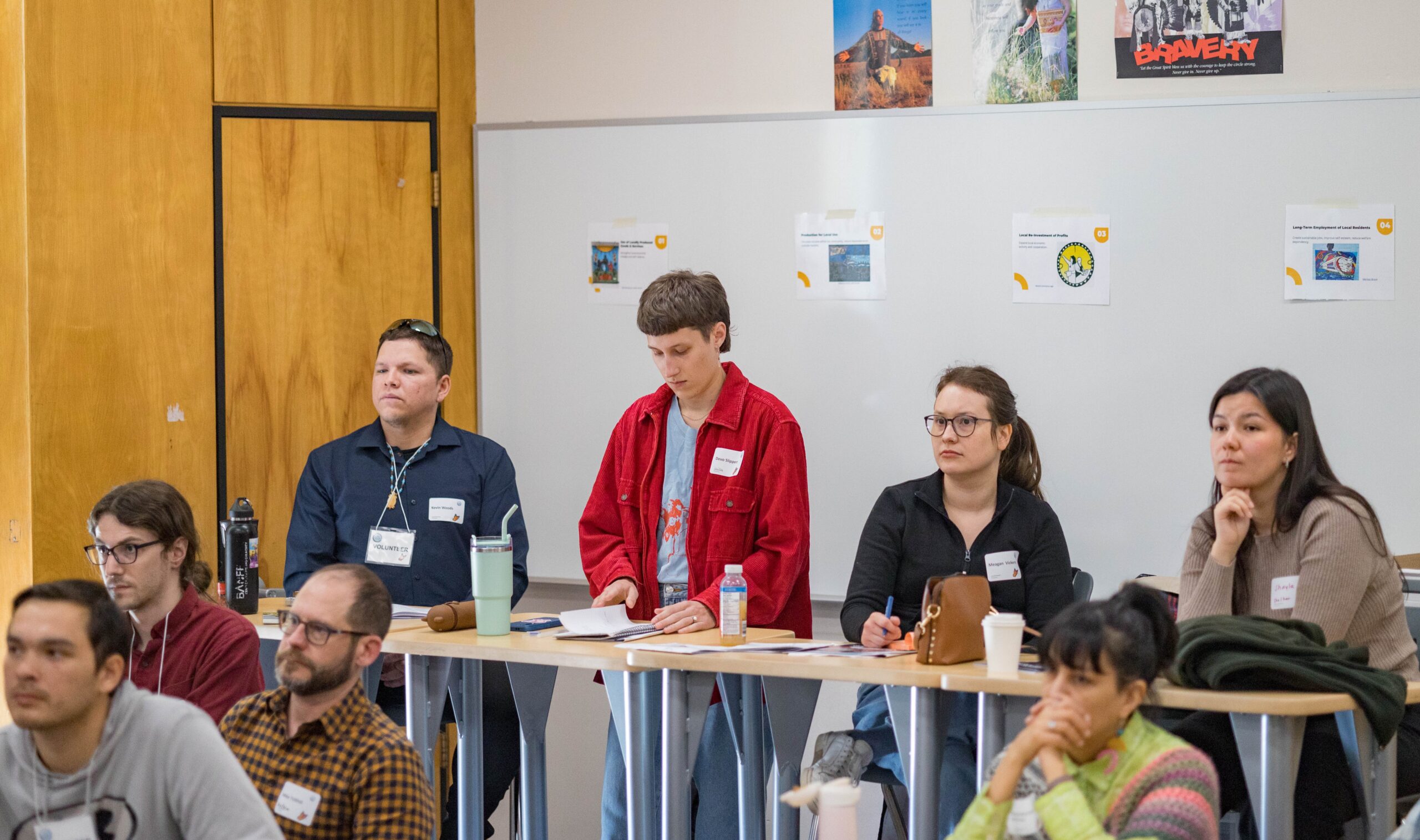
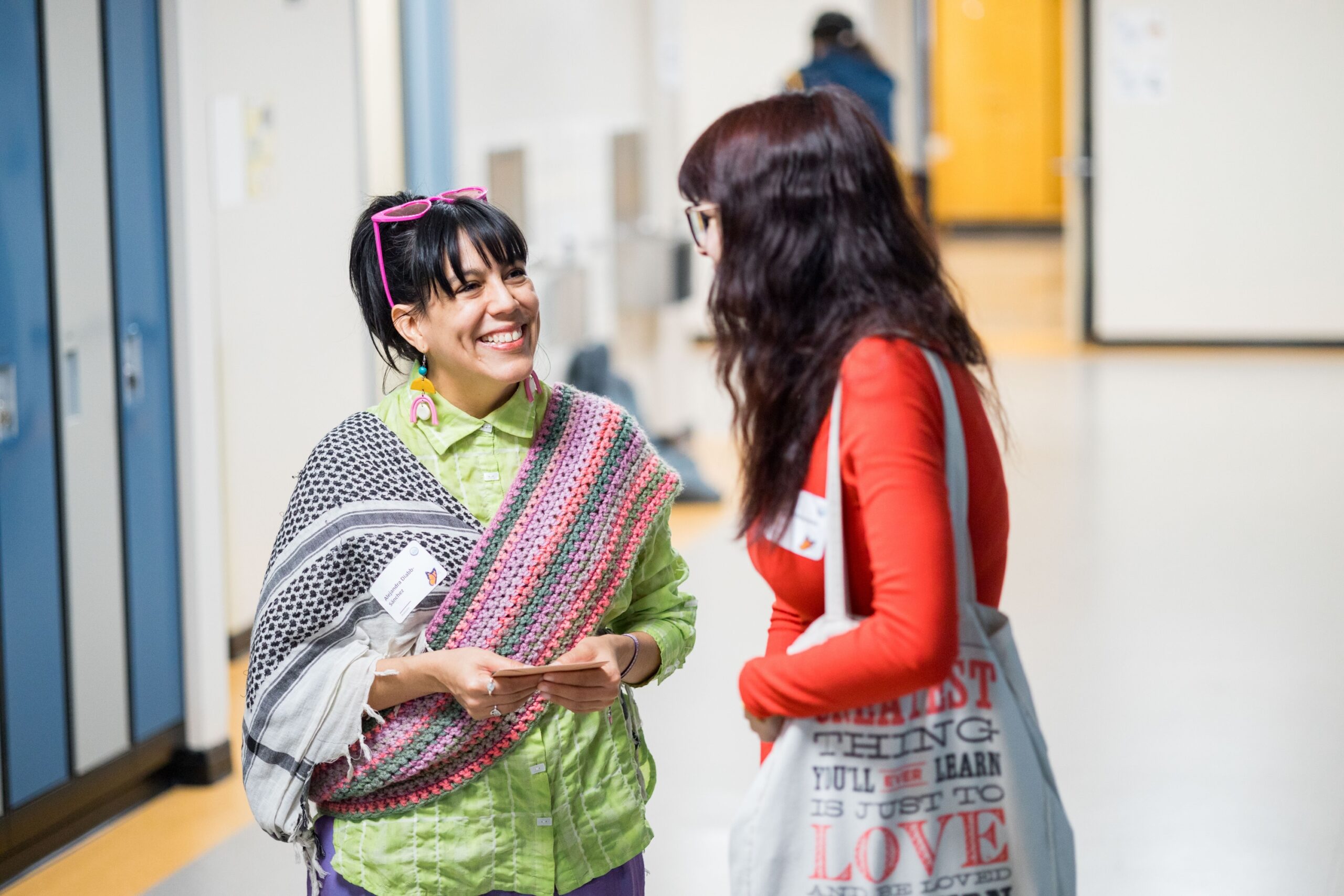
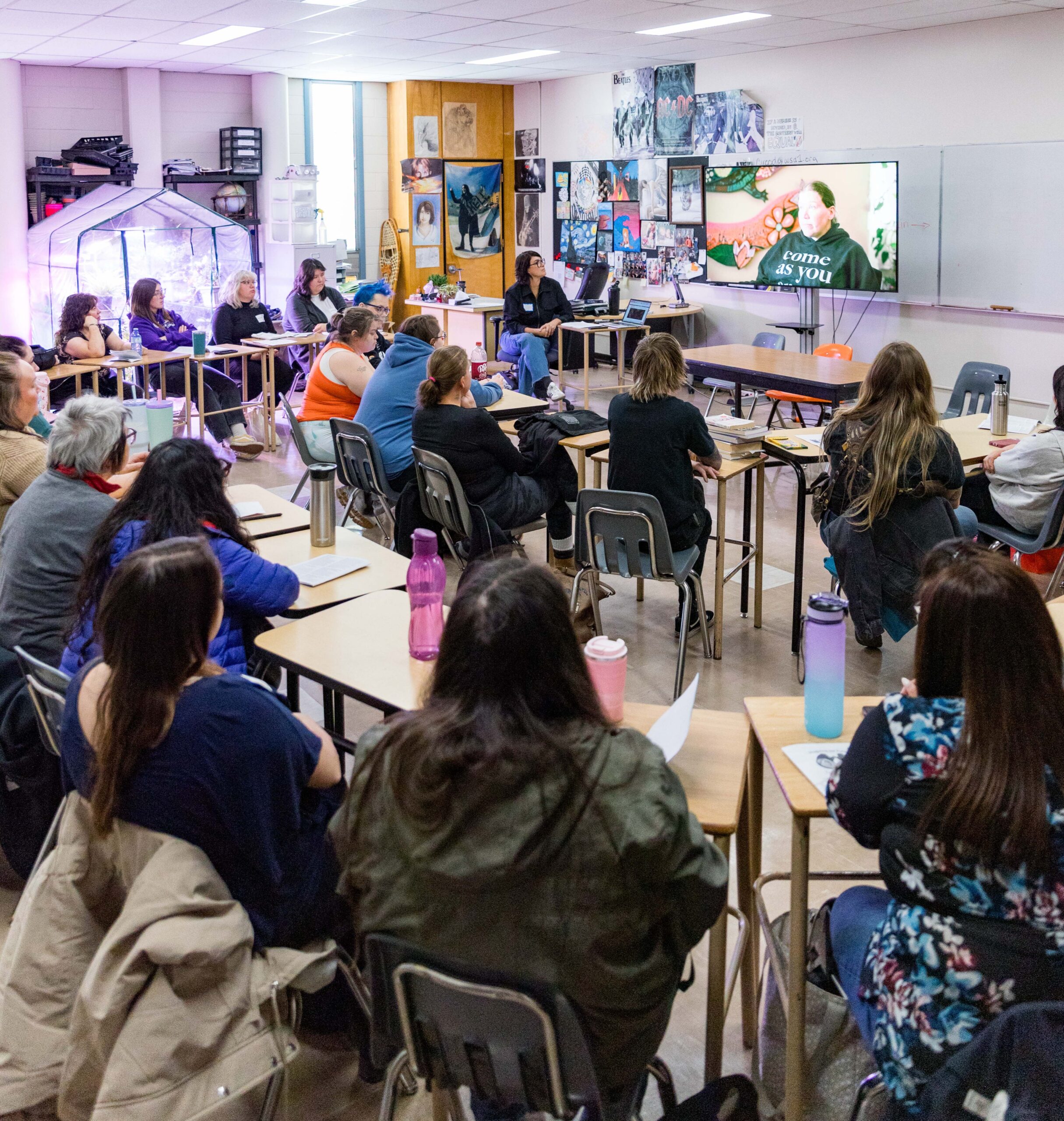
The Gathering was an inspiring day for our Manitoba community builders to come together and learn, grow, connect, and Imagine our Future. Over 350 participants, presenters, and volunteers came together at St. John’s high school for a transformative day.

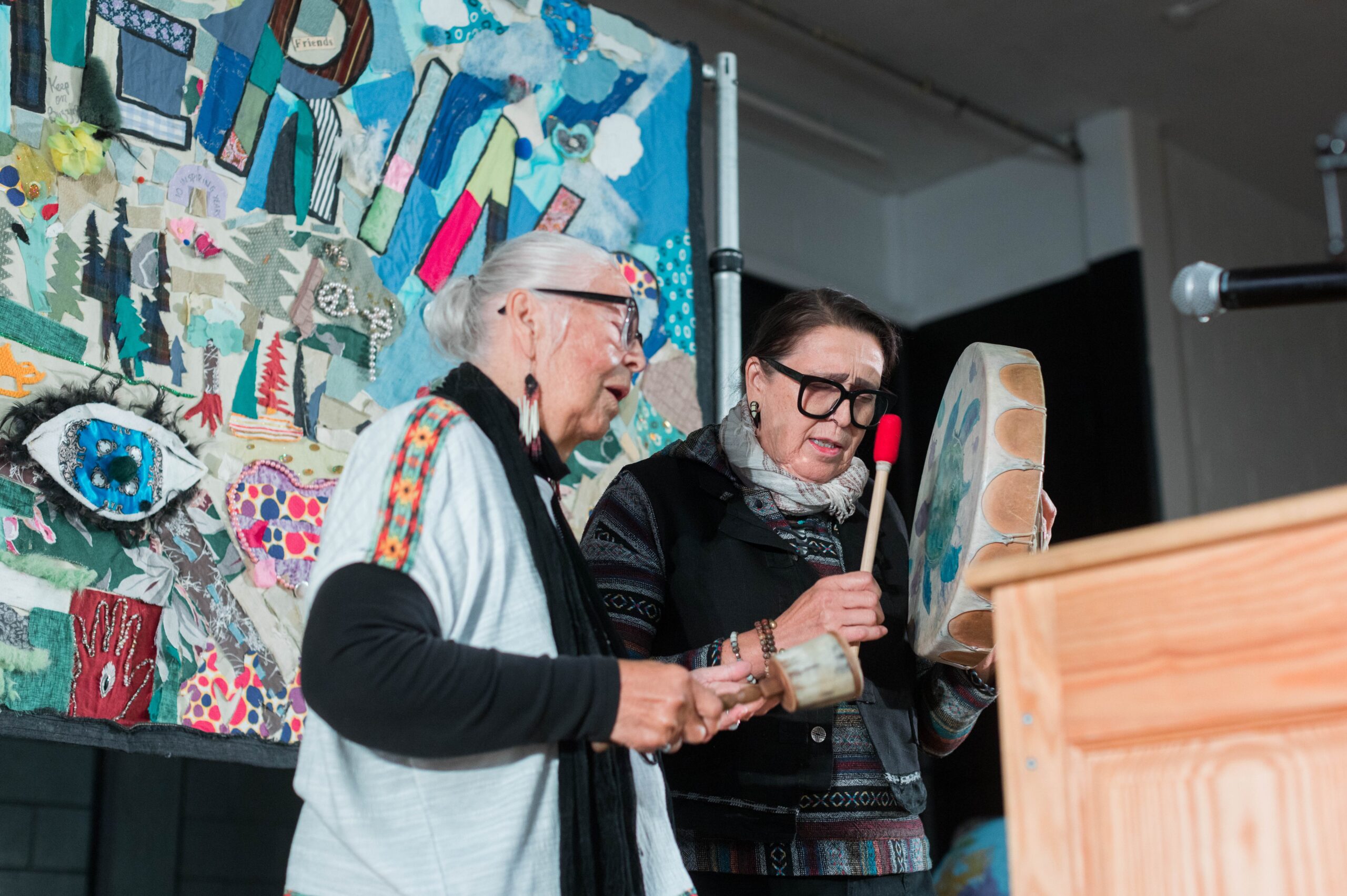
The Gathering Opening was a refreshing start to the day. We explored the theme of Imagining our Future: Moving to Transformative Action together through Indigenous wisdom, knowledge sharing, and storytelling from around the world. First, as has been tradition for several years, Elder Mae Louise Campbell and Jamie Goulet from Clan Mothers Healing Village brought a blessing, a song, and Indigenous wisdom to open our hearts. Their presence helps ground the day and center us for learning together.

CCEDNet’s Associate Director, Sarah Leeson-Klym talked about the theme – how our Design Team gathered in the spring and shared the need to acknowledge the challenges we’re facing and the desire to move beyond day-to-day responses toward real change in our communities. She noted that this ‘futurism’ or ‘futures literacy’ is a practice we can cultivate to strengthen our community work, thinking further forward to a transformed world that looks more like our vision so we make good decisions today.

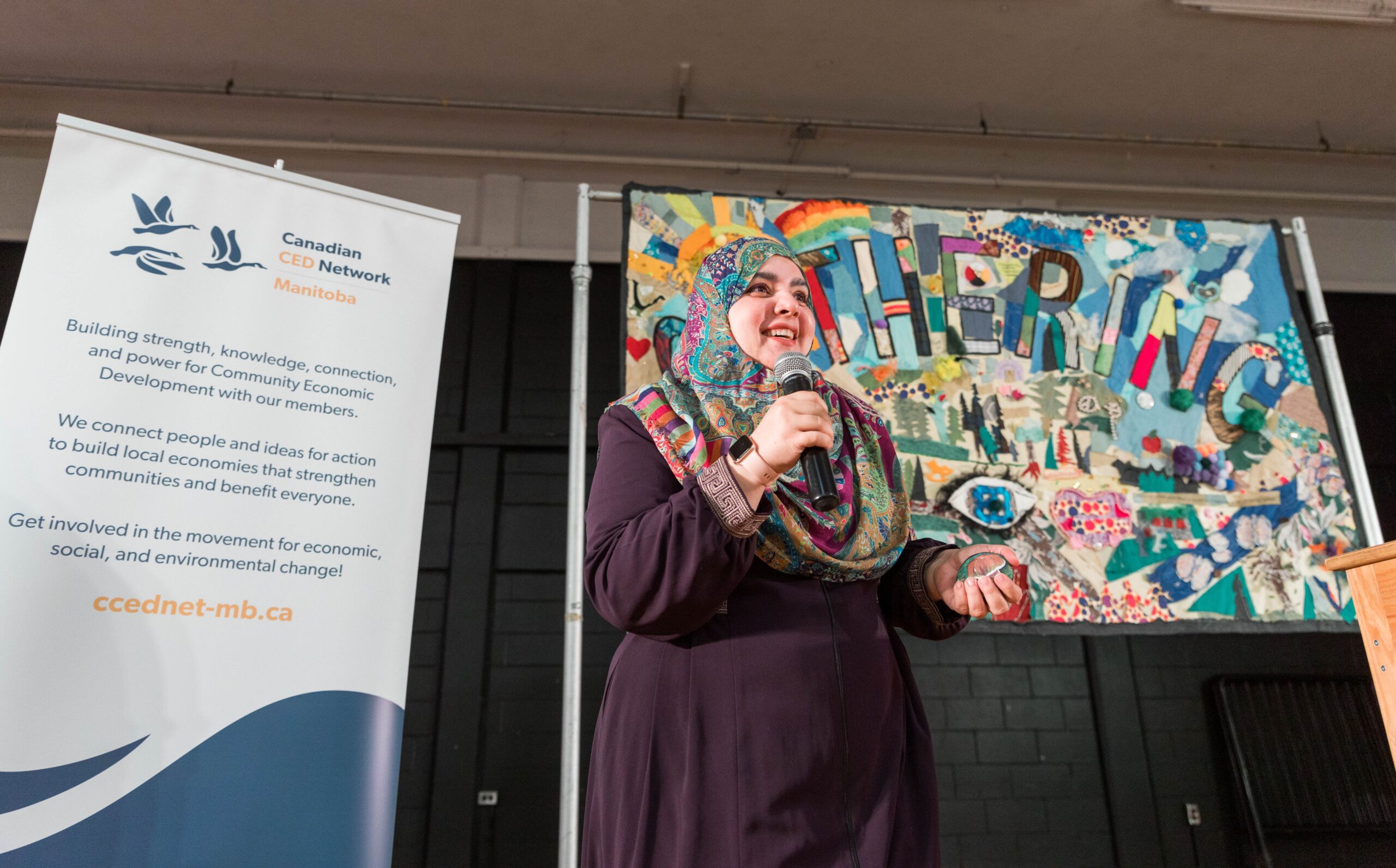
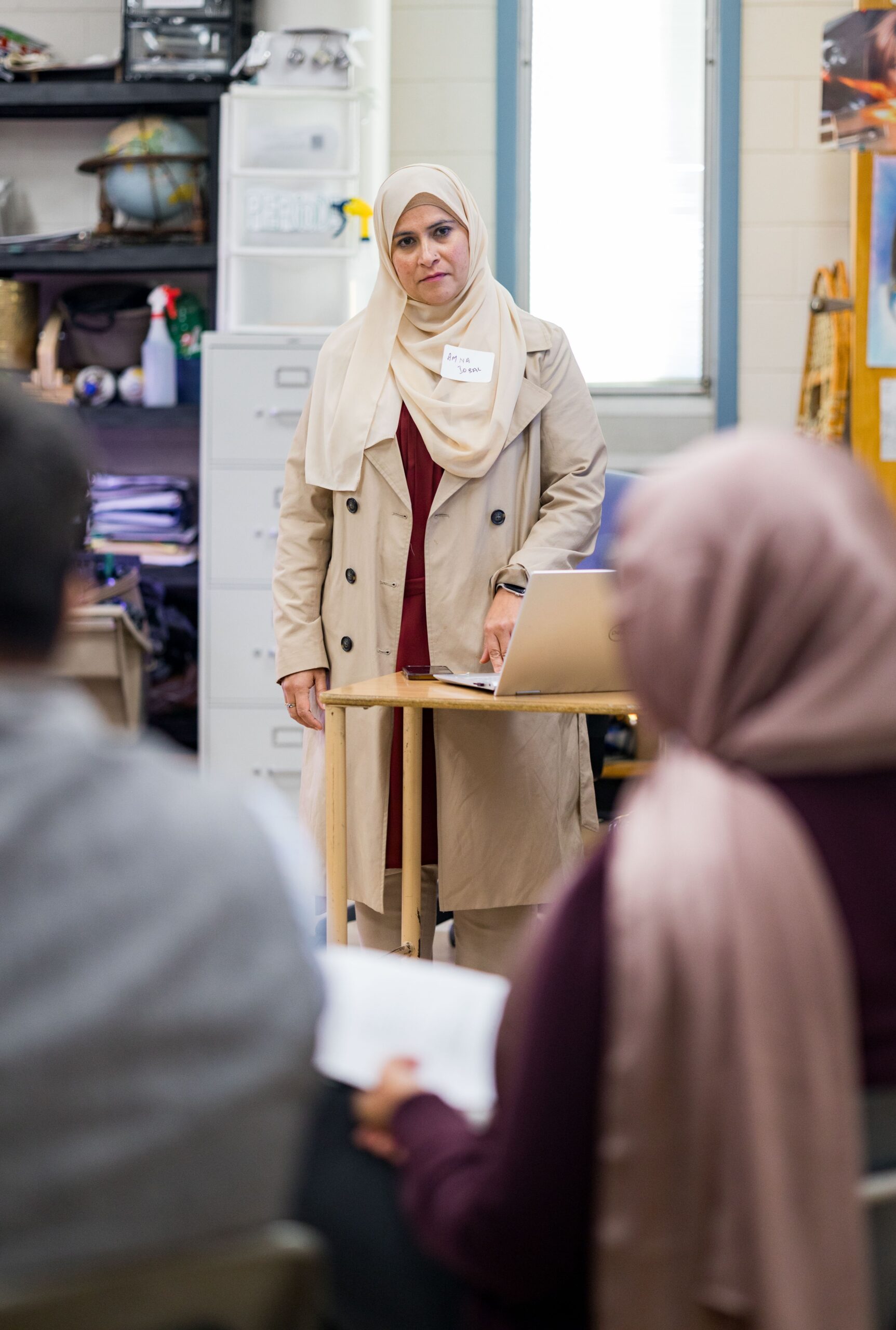
Our plenary storyteller, Amna Burki from StoriesMatter, then took the stage and stole the show! She brought five stories from various global traditions that demonstrated how Indigenous wisdom and folklore can ground us in history and knowledge we need to make transformative decisions. She wove together humour, wisdom, engaged actions and participation, and key messages that strengthened our understanding of the theme. 

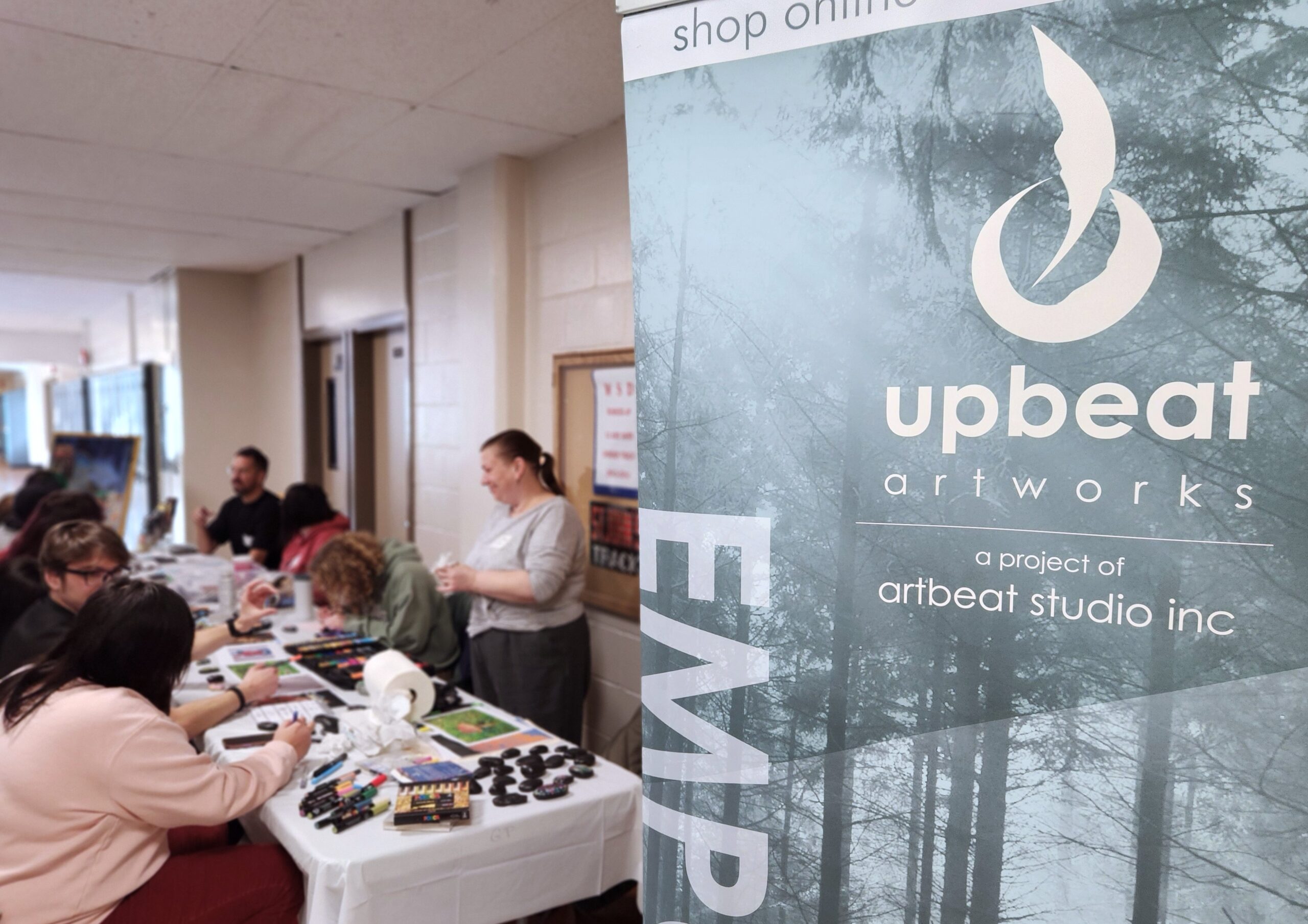
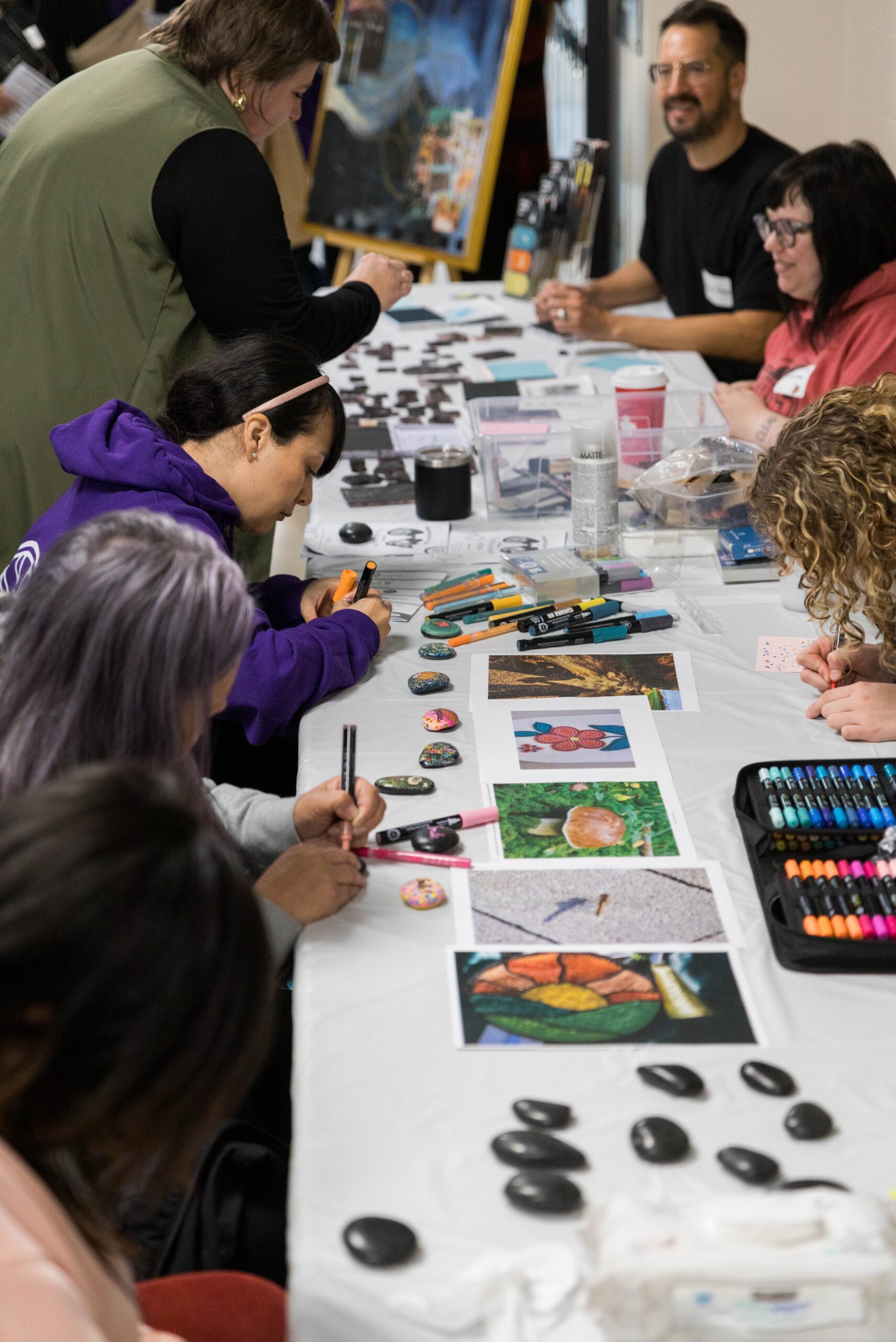
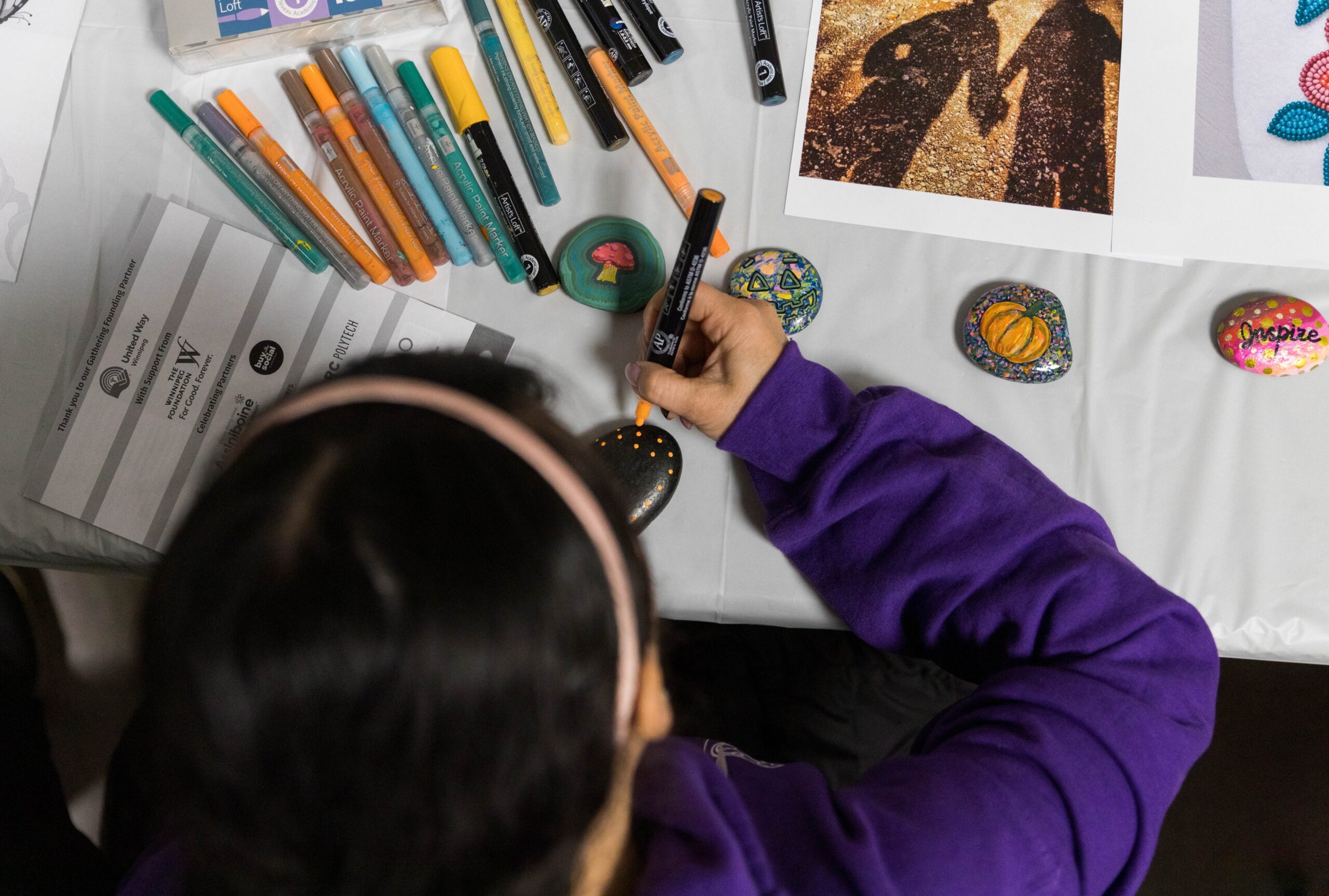
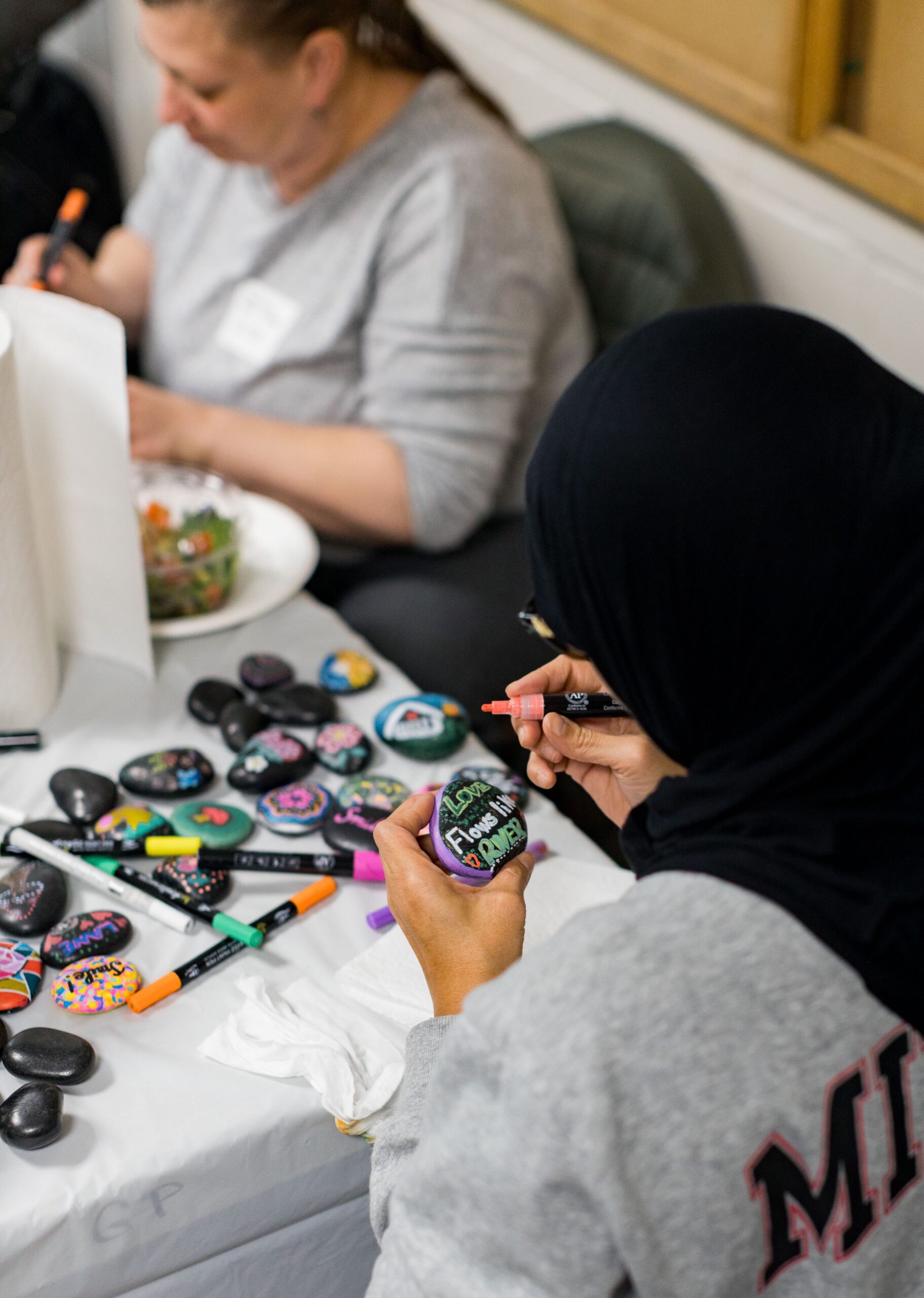
Artbeat Studio offered us the opportunity to take this theme conversation further and express our ideas and hopes through art by leaving our mark (literally and figuratively) with stamping and painting. 

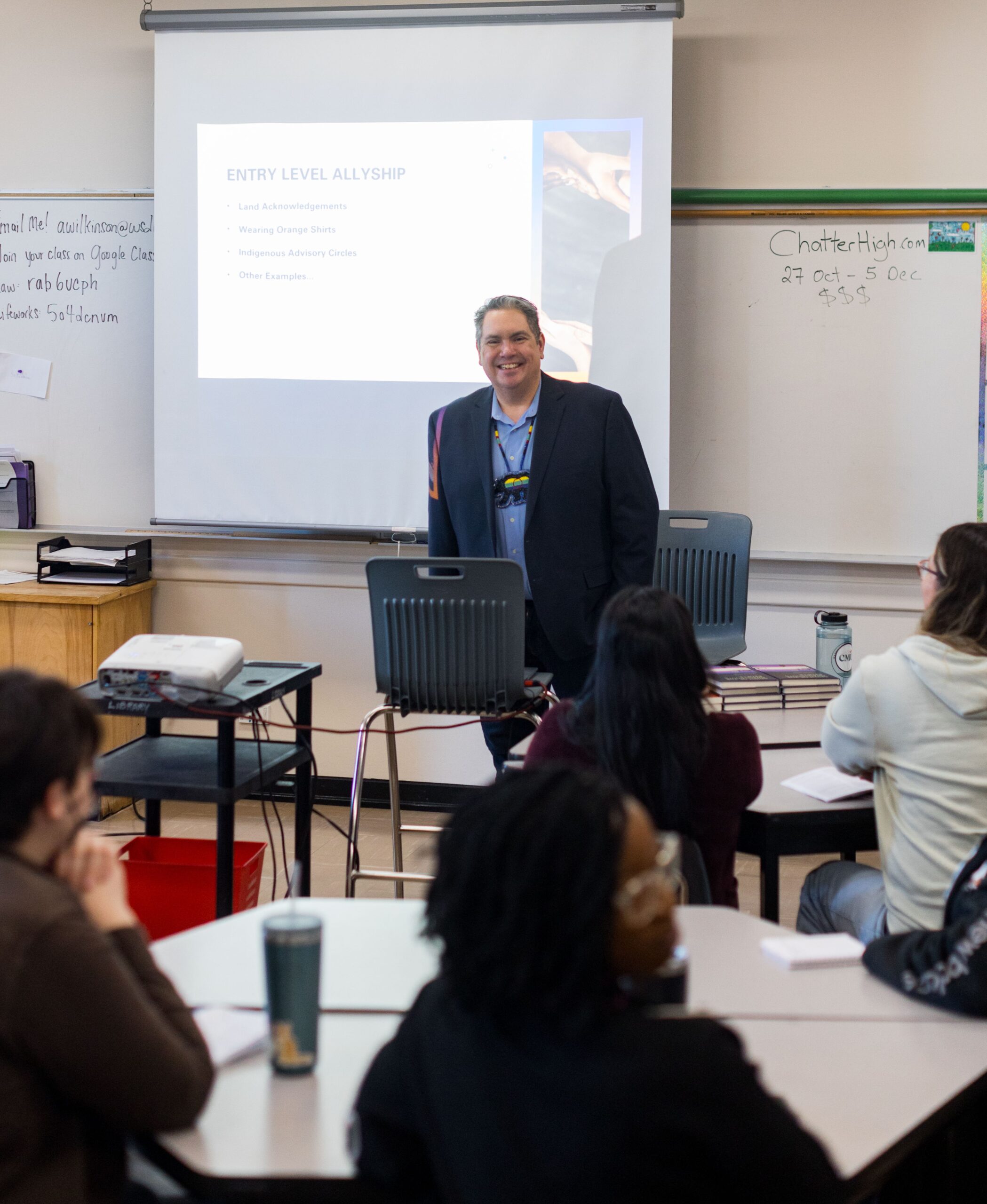
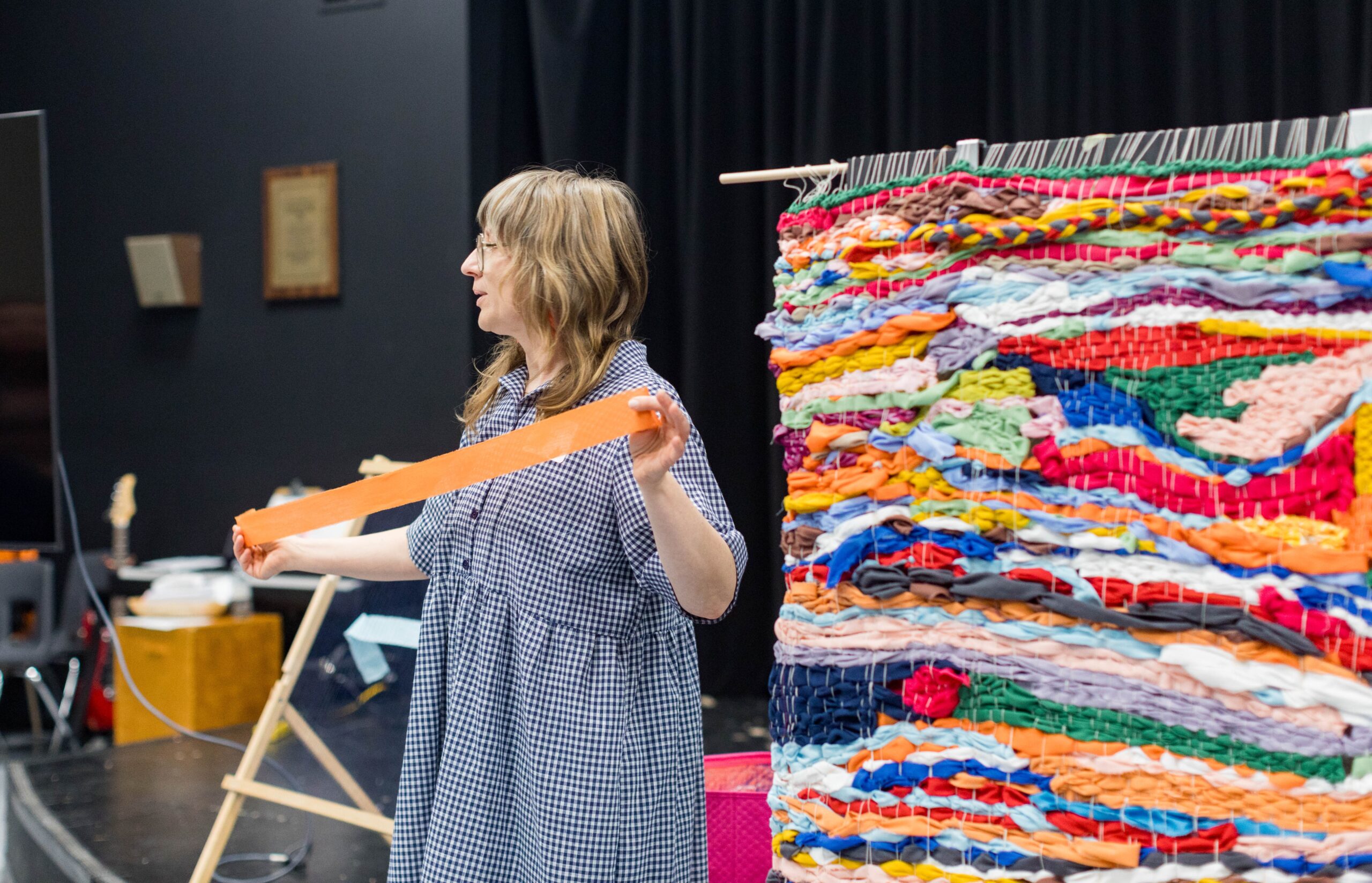
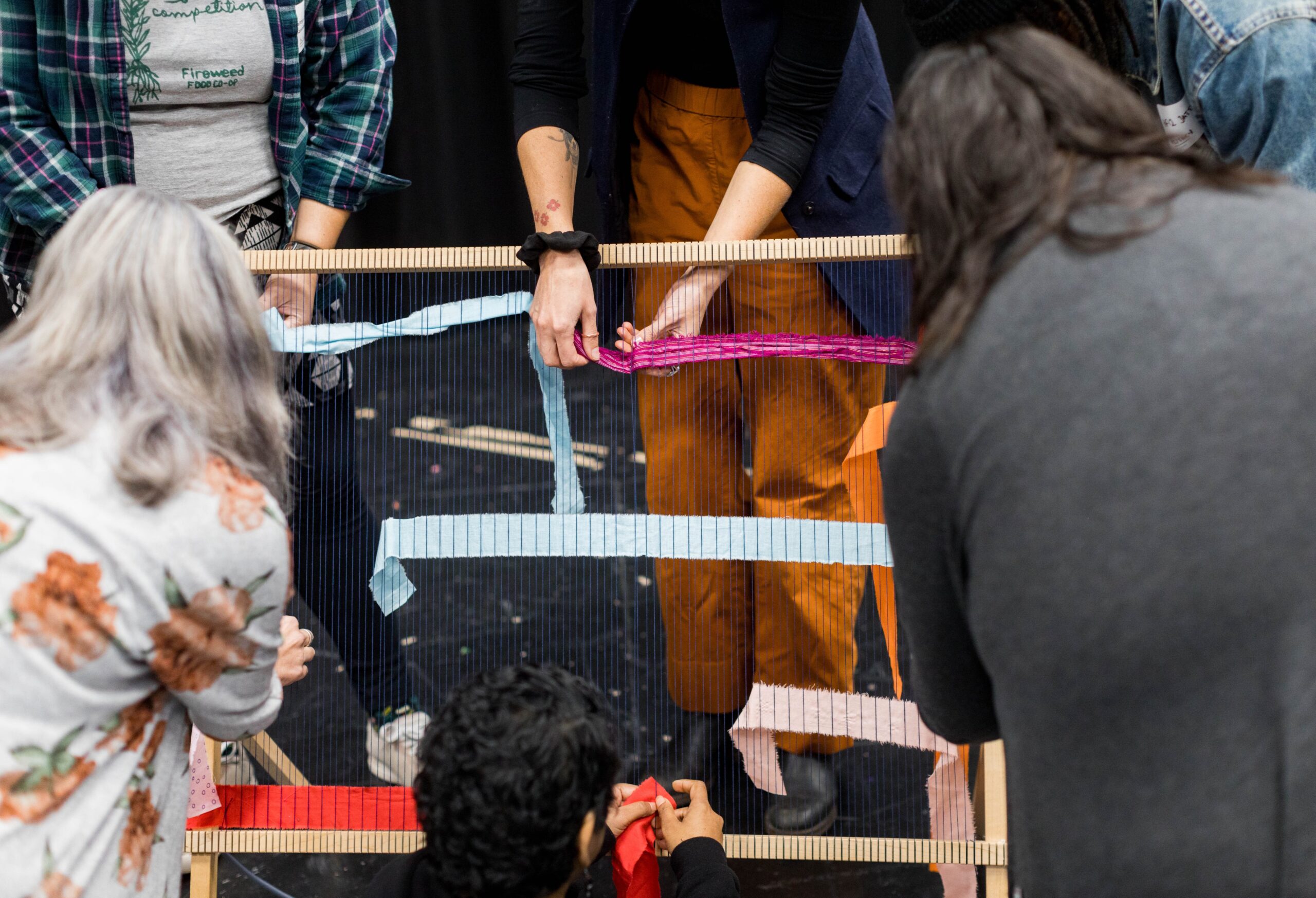
We continued to learn and connect throughout the day – from presentations and panels, by participating in small group sharing and discussions, and through conversations in 35 workshops that were hosted by local community builders. Wide-ranging topics included organizing and advocacy in action, the transformative power of education and storytelling, the impact of social enterprises and social finance, and navigating change. A local artist/activist spoke about collectively weaving a better Winnipeg, and another led us through imagining a kinder food future.

As one participant said, “each action for change, however small, matters when it is done in community.” The Gathering of Community Builders continues to be a day of inspiration and connection, and moves us to create the change in the world that we imagine. 

Thank you to the students from Red River College Polytech’s School of Indigenous Education, and Social Innovation and Community Development Programs for volunteering at the event!

Photos by Travis Ross

Thank you to our 2025 Funders and Partners for supporting the Gathering!


Get the newsletter in your inbox! Subscribe and click Manitoba CED Bulletins

Share

Marlis Funk

As Manitoba Events and Engagement Coordinator, Marlis contributes directly to the Network Weaving and Manitoba Learns program areas of our Manitoba regional network, and supports engagement among members and the broader CED sector. Marlis plans CCEDNet events and creates learning and networking opportunities that bring people together.

Sarah Leeson-Klym

Sarah is currently CCEDNet’s Associate Director, supporting the organization through leadership transition and a Strategic Review. Before this role, she was our director for Regional & Strategic Initiatives. Get in touch if you want to find out more at

Sarah Leeson-Klym

The Gathering 2025 will happen on Friday, October 24 in Winnipeg.

The learning opportunities of the 23rd edition of the Gathering of Community Builders will explore transformative action through the lens of Community Economic Development.

Participants will benefit from peer learning and networking, and be challenged by speakers to shape our future as community builders.

On October 24, join us in Winnipeg for the Gathering 2025 –Imagining Our Future: Moving to Transformative Action  a one-of-a-kind annual event for Manitoba community builders.


The Gathering is an annual pay-what-you-can event where Manitoba’s community builders connect, learn, and celebrate success through a diverse range of workshops, panels, and presentations.

It is open to all, from staff of community organizations to civil servants, funders, students, academics, or anyone interested in community development and community economic development.

This year’s theme:

Imagining Our Future: Moving to Transformative Action

We are surrounded by big threats – the climate crisis is intensifying, threats internally and externally to our democracy and sovereignty are a daily occurrence, and we are bearing witness to an assault on human rights globally. This is where many of us as Manitobans sit right now.  

To overcome these big threats, we need to move to transformative action to envision a new future and build a space that is equitable, innovative, and just for all.

The learning opportunities of the 23rd edition of the Gathering will explore transformative action through the lens of Community Economic Development. Participants will benefit from peer learning and networking, and be challenged by speakers to shape our future as community builders.

Learn more about the Gathering by visiting the Gathering 2025 website and check out this video from the Gathering 2022. 

Butterfly logo from The Gathering 2025 logo

Share